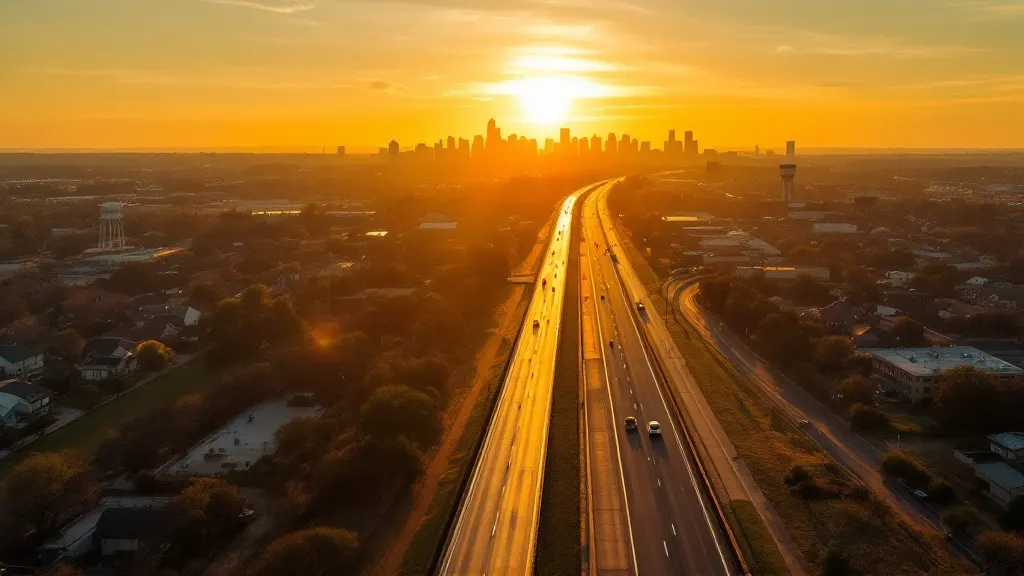
Hunt County · North Texas
Closer than you think. Priced like it isn't.
Greenville, a straight shot down I-30 to Dallas, a university town, a 38,000-acre lake, and real jobs — at a county median running about forty percent under Collin and Rockwall next door. Here is what is actually happening in Hunt County, and how to buy into it.
The metro's eastern edge
Hunt County is the rare one that is both close and cheap, and most buyers write it off before they check the drive.
The two-minute version
What Hunt County actually is
Six things worth knowing before you look at a single listing. Current as of July 2026, from the census, the water district, the county's own records and dated market data rather than from listing sites.
- The county seat
- Greenville, on Interstate 30 about fifty miles northeast of downtown Dallas. Hunt County sits on the eastern edge of the Metroplex, where the suburbs give way to Blackland Prairie. It was near 100,000 people at the 2020 census and the Census put it around 123,000 by 2025 — this is a growing county, not a sleepy one.
- The interstate is the whole point
- I-30 runs straight through Greenville and Caddo Mills, which is why Hunt is under an hour from downtown Dallas rather than the two hours people assume. That freeway shot, not the mileage, is what actually decides the commute here. US 380, US 69 and a web of state highways fill in the rest.
- It has an actual economy
- This is not just a bedroom county. Greenville carries a real job base — L3Harris has run an aerospace and defense operation here for about seventy years, and Hunt Regional is a hospital system with more than 1,700 employees — and Commerce is a university town, home to East Texas A&M University (renamed from Texas A&M–Commerce in early 2025) and roughly 13,000 students. You can live here and work here.
- The lake
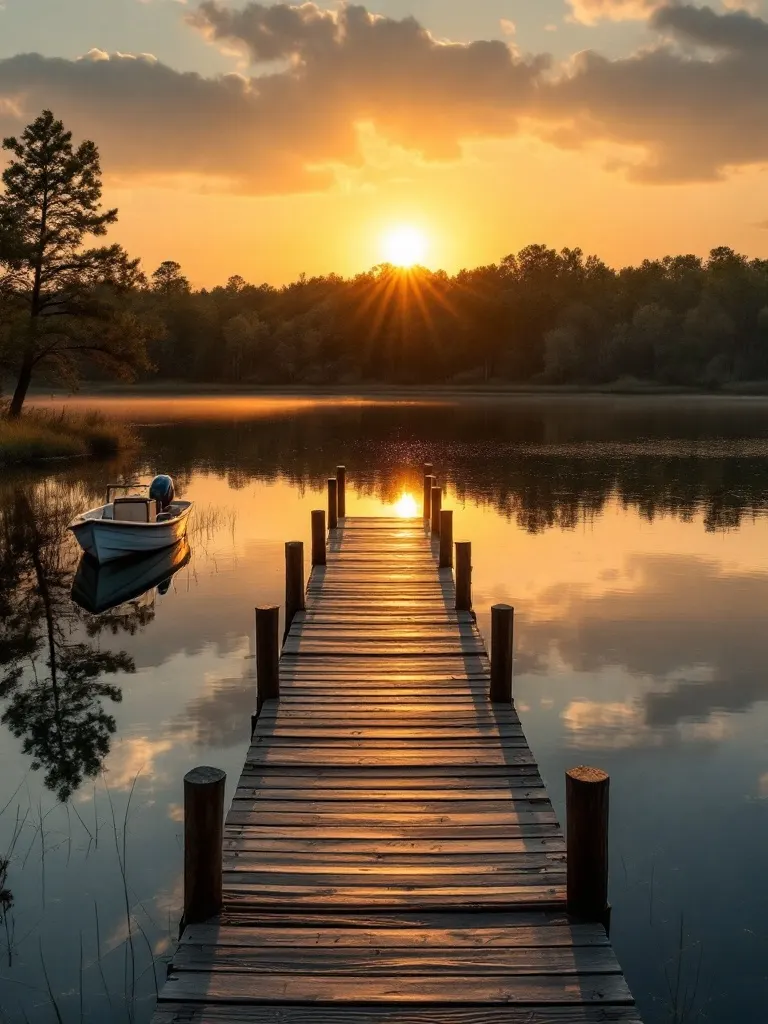
- Lake Tawakoni, on the county's south side, is one of North Texas's big reservoirs — around 38,000 surface acres of striped-bass water on the Sabine River, with its own state park inside Hunt County. West Tawakoni and Hawk Cove sit right on it.
- What you buy, and for how much
- In May 2026 the county's median home sold around $288,000, per Redfin — roughly forty percent under both Collin and Rockwall right next door. A home in town, acreage in the county, and lake property are three different purchases, priced and vetted differently, and I treat them as three different jobs.
- The rules that govern land
- Hunt County has its own adopted subdivision and on-site-septic regulations, with useable-area minimums that decide whether a lot can carry a home and a septic system. Lot size drives what you can build. I confirm the current figure with the county for the specific parcel rather than working from a saved copy.
Across the county
The towns, and what each one is
Hunt is not one market. Greenville is the hub, Commerce is a college town, Caddo Mills is the growth edge, the south side is lake country, and the north is farm-and-ranch. Where you land changes the price, the pace and the whole purchase. Populations are 2020 census counts.
- Greenville — the county seat
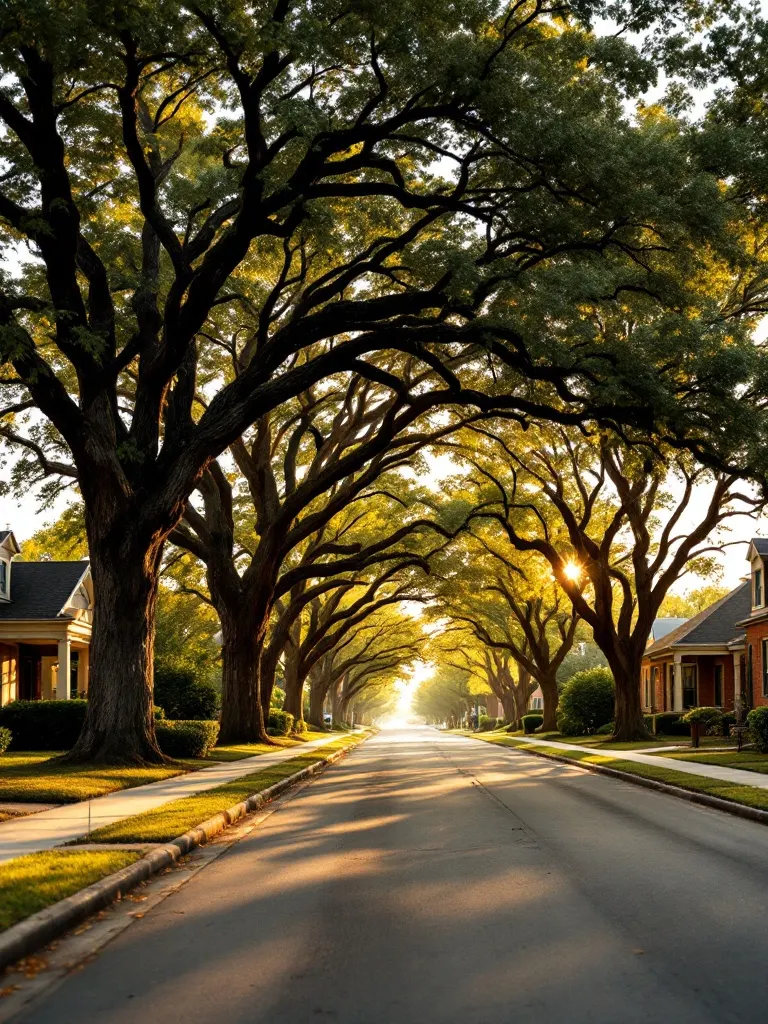
- About 28,000 people at the 2020 census, on I-30, and the commercial, medical and industrial hub of the county. This is where L3Harris's aerospace plant, Hunt Regional's main hospital, and the Audie Murphy/American Cotton Museum all sit. It also holds the most established housing stock in the county — real neighborhoods with mature trees — and it is the first place most buyers look.
- Commerce — the college town
- About 9,000 people northeast of Greenville, built around East Texas A&M University and its roughly 13,000 students. It runs on a different rhythm from the rest of the county — a walkable core, steady rental demand, and its own downtown. Worth understanding as its own small market, whether you are buying to live or to hold.
- Caddo Mills — the growth edge
- Only about 1,500 at the 2020 census, but the fastest-changing spot in the county. It sits on I-30 and State Highway 66 just a few miles from Royse City and the Rockwall County line, which is exactly where the metro's push east reaches Hunt first. It even has its own municipal airport. If you are buying for the growth path, this is the corner to understand.
- The lake towns — West Tawakoni, Hawk Cove & Quinlan
- On and around Lake Tawakoni on the south side of the county. West Tawakoni and Hawk Cove sit right on the water; Quinlan and Lone Oak are a few minutes back. This is waterfront, water-access and lake-country acreage — priced on the water and the view rather than the commute, and vetted for the shoreline and dock questions any big lake carries.
- The rural north — Wolfe City, Celeste & Campbell
- The small agricultural towns north and east of Greenville, running from a few hundred to around 1,400 people at the 2020 census. This is Blackland Prairie farm-and-ranch country, quieter and priced accordingly, and the part of the county bought as land more often than as a subdivision lot.
Life here
On the interstate, and on the water
The two things Hunt gives you that most metro-edge counties can't: a fast freeway into the city, and a genuinely big lake. Drive times are approximate.
- The metro, on the interstate
- From Greenville, plan on about fifty-five minutes to downtown Dallas straight down I-30, roughly an hour and ten to the American Airlines Center and the Arlington stadiums — AT&T Stadium (Cowboys) and Globe Life Field (Rangers) — and a little over an hour to DFW International Airport. For shopping, Rockwall and its lakeside district are about half an hour down the interstate. The freeway is the difference: it makes the metro a commute, not an expedition.
- A real lake, and room outside
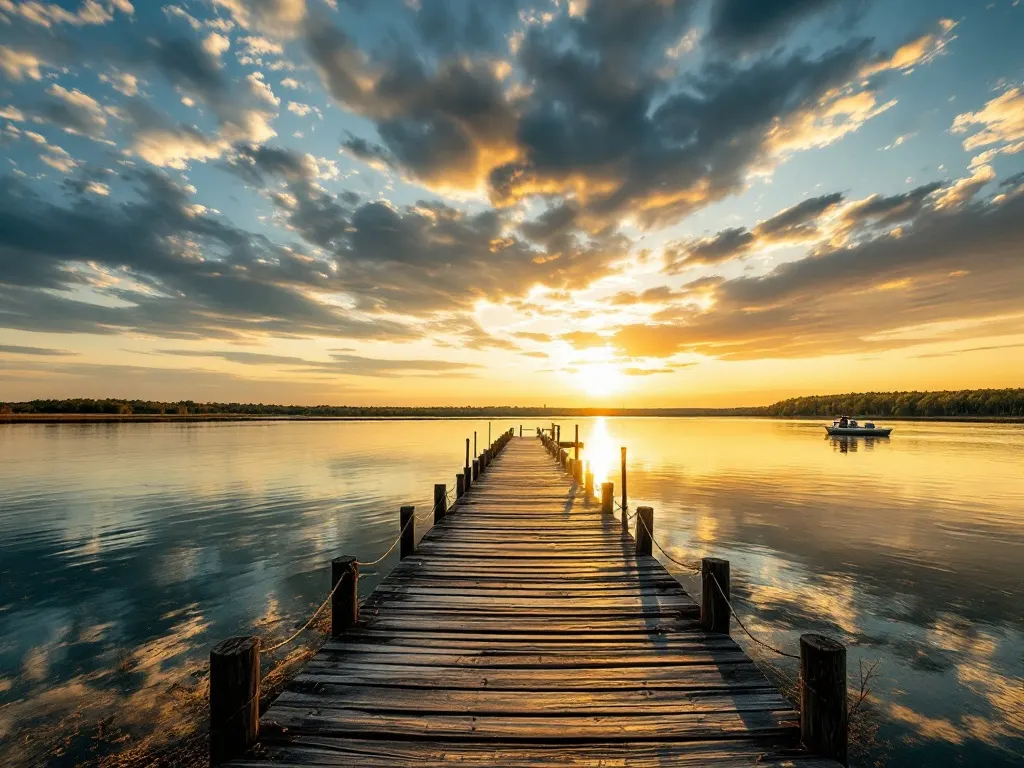
- Lake Tawakoni anchors the south side of the county — around 38,000 acres on the Sabine River, known for striped-bass and catfish fishing and open-water boating. Lake Tawakoni State Park, about 376 acres inside Hunt County, adds camping, shoreline trails and some of the best birding in the region. It is a big-water county without the big-water prices of the lakes closer in.
Why it's moving
What is actually changing here
Three forces, each stated at its real stage — a freeway and a price gap, a genuine job base, and a county writing new rules as it grows. None is a reason to rush. All three are reasons to look carefully.
- Interstate 30 and the price gap
- Hunt's edge is the freeway. I-30 is a straight, fast shot into Dallas — under an hour to downtown from Greenville — and the price gap is worth a real number: in May 2026 the county's median home sold around $288,000, per Redfin, against about $475,000 in Collin County next door. That is close to forty percent less for the same month, and Rockwall County runs higher still. The town that feels the metro first is Caddo Mills, a few miles from Royse City on I-30 and SH 66. It is a commute worth driving before you commit to it, but on the interstate it is a genuinely easy one.
- A real job base, not just a bedroom
- What separates Hunt from a pure exurb is that people actually work here. L3Harris has modified and integrated aircraft in Greenville for about seventy years; Hunt Regional runs the county's hospital system with more than 1,700 employees; and East Texas A&M University keeps Commerce a college town. That base is also why Hunt fits military and veteran buyers unusually well — a longtime defense employer, the Audie Murphy heritage, and the VA-loan work I already do across North Texas.
- The county is growing into its rules
- Hunt grew from about 100,000 people in 2020 toward 123,000 by 2025, and it has adopted its own subdivision and on-site-sewage regulations to keep up. Counties tighten land-use rules when growth shows up, so the current version is the only one that counts — exactly the kind of thing a saved PDF or a listing site gets wrong, and exactly what I confirm with the county before you write an offer.
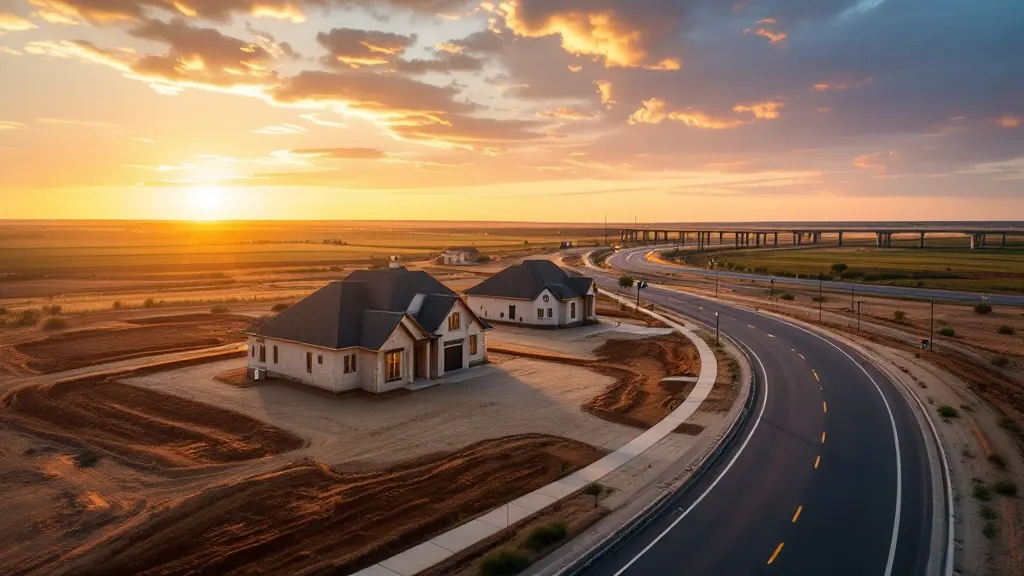
Close enough to commute. Cheap enough to matter.
The interstate does the hard part. What is left is choosing the right town and the right kind of property — and not overpaying for a growth story that hasn't arrived yet. That is the read I bring.
Three purchases, not one
The three ways to buy into Hunt
A home in town, acreage in the county and a place on the lake are priced, financed and vetted differently. Knowing which one you are really making is half the work — so is having an agent who does not treat all three the same.
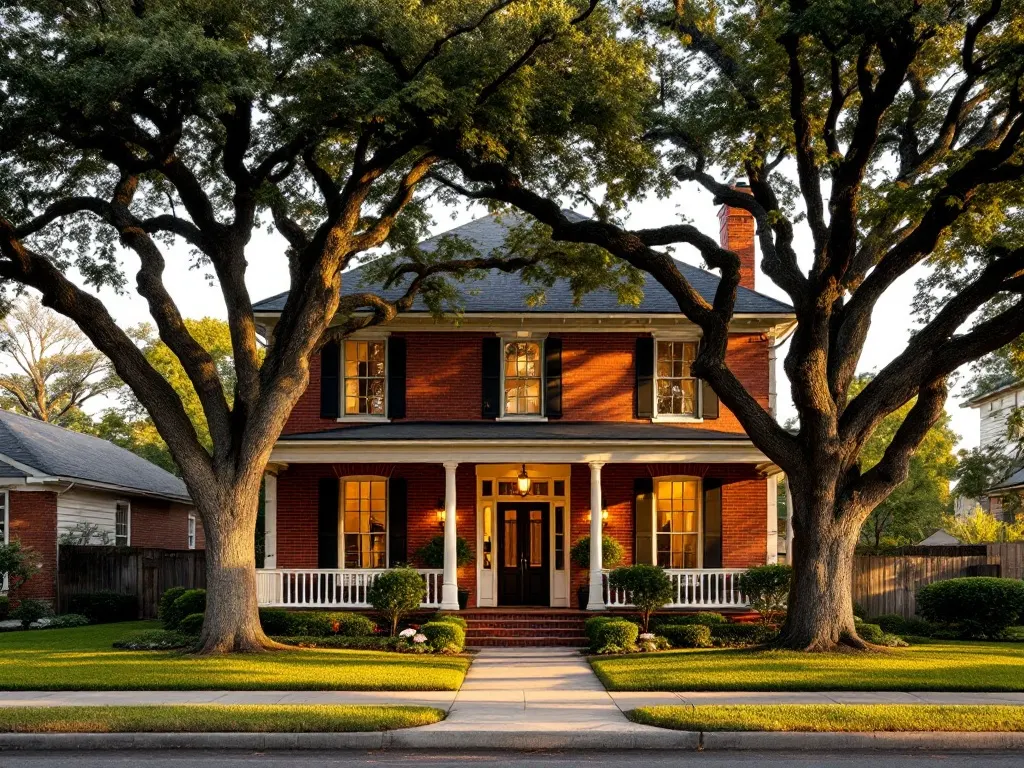
- A home in town
- Acreage in the county
- A place on the lake
The county's own rules
What Hunt County requires of the land
Outside the cities, Hunt County runs on its own adopted subdivision and land-development regulations, and it amends them as it grows. The rule that catches the most buyers is lot size and septic: the county sets useable-area minimums for a lot that will carry a home on an on-site sewage facility, and the ground itself has to be able to take a permitted system. Because the exact figure is the county's to set and does move, I confirm the current requirement for your specific parcel with the county rather than quoting a number that dates.
The other one that costs real money is the agricultural valuation. Much of rural Hunt County carries an "ag use" valuation that keeps the property tax low while the land is farmed or grazed. It is applied for through the Hunt County Appraisal District, and changing what the land is used for — building a house on a pasture, for instance — can trigger a rollback of the tax that was saved. If the assessment itself looks high, that is a separate fight; here is how to protest your property tax.
I am a REALTOR®, not a surveyor, engineer, attorney or tax professional. What I do is know which of those a given tract or lakefront lot needs, bring them in early, and make sure the county's answer is in writing before your money is at risk. Because these rules move, I confirm the current requirement with the county rather than working from a saved copy.
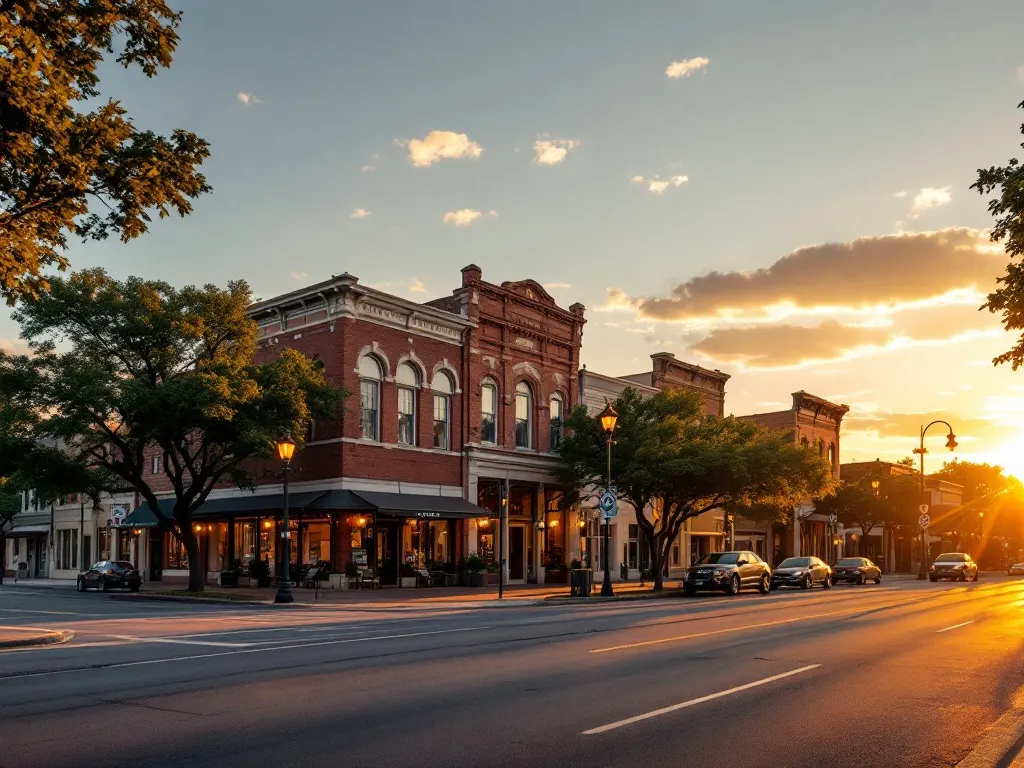
Roots here
This is where my Texas career started
I have a real reason to know Hunt County: it is where my Texas real estate career began. My first Texas brokerage was based in Greenville, so before I ever wrote a word about this county I was working in it — learning its neighborhoods, its land, and how a deal actually gets done here. That is not something I can honestly say about many places.
It is also where my family put down roots. Our oldest started school in Greenville, we are at the Hunt County Fair every year, and we still do a good deal of our everyday shopping in town. Plenty of summer days go to the country club here — the golf, the pool, the events it puts on. When I tell you what a Hunt County neighborhood is actually like, it comes from years of being here, not from a listing sheet.
And there is real backbone underneath it. The 1929 courthouse anchoring downtown Greenville — a striking Classical-Revival-to-Art-Deco building on the National Register — still runs the county and has drawn state restoration money. The Audie Murphy and American Cotton Museum out on I-30 honors its most famous native, the most decorated U.S. soldier of World War II — which, between a longtime defense employer and the work I do as a North Texas VA real estate agent, is part of why Hunt fits military and veteran families as well as anywhere I serve.
Go deeper
Guides for buying in and around Hunt
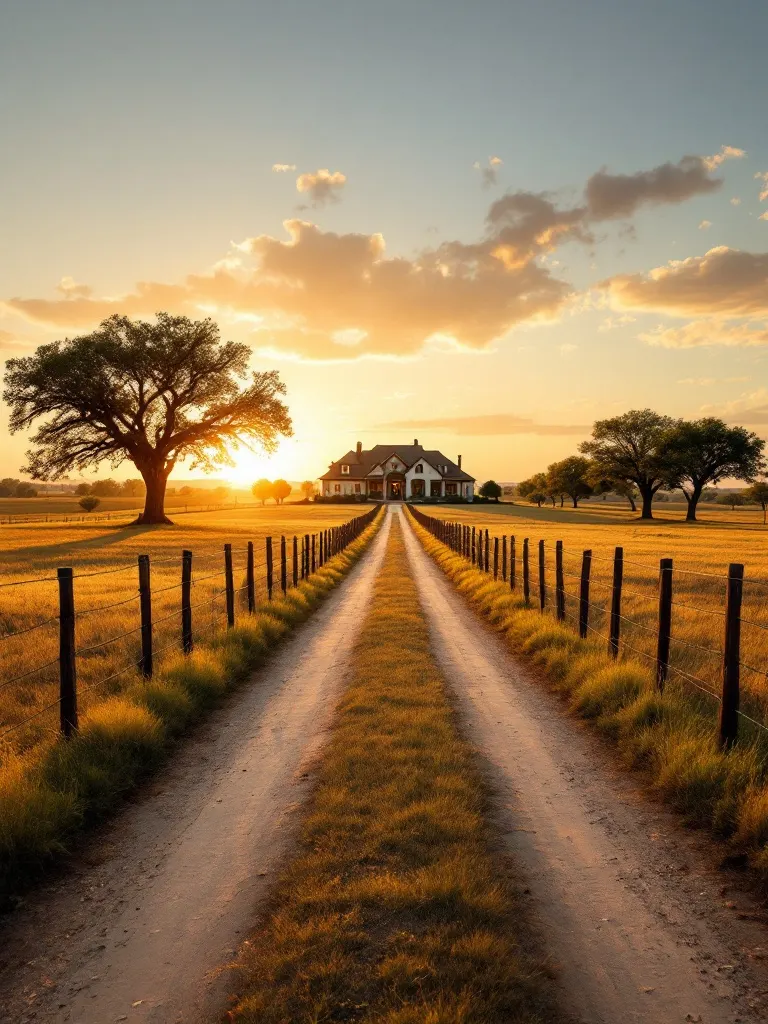 Acreage, read as land Ranch & land in North Texas
 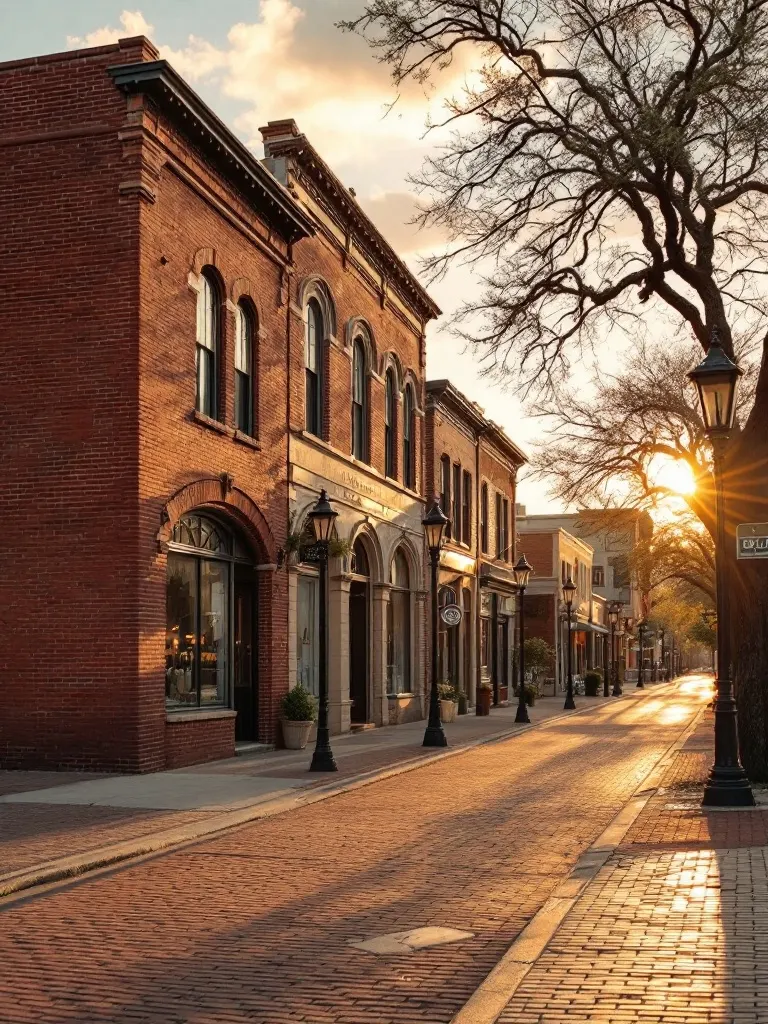 The next county north Fannin County
  Which lake, what you own North Texas waterfront
 Already own a Hunt County place? Get a free land & ranch valuation, or, if the appraisal came in high, see how to protest your property tax. Moving in from out of state? Start with the moving to North Texas guide.
Before you fall for a listing, not after
Send me the town, the budget or the address, and I will tell you what Hunt County actually offers you there.
Whether it is a commuter home in Greenville, acreage out in the county or a lot on Lake Tawakoni — what it should cost against comparable sales, what the county's rules and shoreline realities allow, and whether you are paying for real value or for a growth story. You get the answers and the questions to ask next, with no pressure.
Send me your searchCommon questions
Hunt County real estate questions
Where is Hunt County, and how far is it from Dallas?
Hunt County is on the eastern edge of the Dallas–Fort Worth Metroplex, with Greenville as its county seat, and its defining feature is Interstate 30. From Greenville you are under an hour from downtown Dallas, roughly an hour and ten minutes to the Arlington stadiums, and a little over an hour to DFW International Airport. That direct freeway shot is what makes Hunt feel closer than the mileage suggests. Those are approximate drive times and depend on where in the county you start.
Is Hunt County a good place to buy right now?
It depends on what you are buying, but the pull is real: the county's median home sold around $288,000 in May 2026, per Redfin, against the mid-to-high $400,000s in both Collin and Rockwall counties next door — roughly forty percent less — and Hunt has an actual job base rather than being a pure bedroom county. Whether that adds up for you turns on which of three purchases you are making: an I-30 commuter home, acreage bought as land, or lake property on Tawakoni. Rather than promise a direction, I would rather show you how to judge a specific place: comparable sales, what the county's rules allow, and whether you are paying for real value or a view.
How is buying land or lake property in Hunt County different from buying a house?
A house in town is close to a normal transaction — utilities, a platted lot, a standard loan. Land is a records purchase: lot size, whether the ground will take a permitted septic system, agricultural valuation and what a change of use would cost, legal access, and minerals. Lake property adds its own layer — who owns the shoreline and whether a lot can ever have a dock. Hunt County has its own adopted subdivision and on-site-sewage rules with useable-area minimums, so the current county requirement for that exact parcel is what matters, not a saved copy of it.
What is there to do in Hunt County?
The big draw is Lake Tawakoni — around 38,000 acres of striped-bass and catfish water for fishing and boating — plus Lake Tawakoni State Park, about 376 acres inside Hunt County with camping, trails and birding. In Commerce, East Texas A&M University brings college sports and events; in Greenville, the Audie Murphy/American Cotton Museum tells the county's story, including its most famous native, the most-decorated U.S. soldier of World War II. On the calendar, Commerce hosts the Bois d'Arc Bash each September, and Greenville the Hunt County Fair in the spring and the Hunt County Festival of the Arts.
Does Nychole Baxter work in Hunt County?
Yes, and Hunt County is personal for her: it is where her Texas real estate career began — her first Texas brokerage was based in Greenville — and where her family has real ties, from the Hunt County Fair to everyday shopping in town. Today she is a North Texas REALTOR® with Real Broker, LLC who works across Hunt, Fannin, Grayson, Collin, Rockwall and neighboring counties, treating homes, acreage and lake property as three different jobs rather than one. On land and lake she prices from genuinely comparable sales, reads the county rules and shoreline realities that decide value, and brings in the surveyor, title and any specialist a deal needs. She is a REALTOR®, not an appraiser, surveyor or attorney, so she gives you the market read and assembles the right experts around it. The way to start is a conversation about the specific place you're looking at.
Free download
The Lake-Country & Land Buyer's Checklist
The read I run before a buyer commits to North Texas ground — the same one I use on Hunt County tracts and Lake Tawakoni lots: the septic and lot-size traps that stop a house before it starts, plus minerals, flood plain, access, shoreline and the ag-valuation rollback.
- The useable-area and septic rule that decides whether you can build at all
- Whether the ground will actually take a permitted OSSF septic system
- Minerals, flood plain, legal access, and the ag-valuation rollback tax
- On the lake: who owns the shoreline, and whether a lot can ever have a dock
One county east is a decision worth getting right
Let's read Hunt County together.
Tell me what you're after — a commuter home you can afford, acreage to run or hold, or a place on Lake Tawakoni — and I will tell you where in the county it makes sense, what it should cost, and what to confirm before you commit.
Census counts are from the 2020 decennial census; median-price figures are Redfin data for May 2026; drive times are approximate; county regulations current as of July 2026. Prices and county rules both move, so I confirm the current numbers and the current requirement for your specific parcel rather than relying on a saved copy.