Free land & ranch valuation
What's your land really worth?
Not a computer's guess built for tract homes. A real market read on your actual acreage, prepared personally: genuinely comparable tracts, the water, minerals, access, and ag status a calculator can't see, and a realistic range with the reasoning behind it. It's free, there's no obligation, and the number is yours to keep.
Why a number online misses
A calculator prices the house down the street. Your land is everything it can't see.
Why me
I read land the way someone who lives on it does
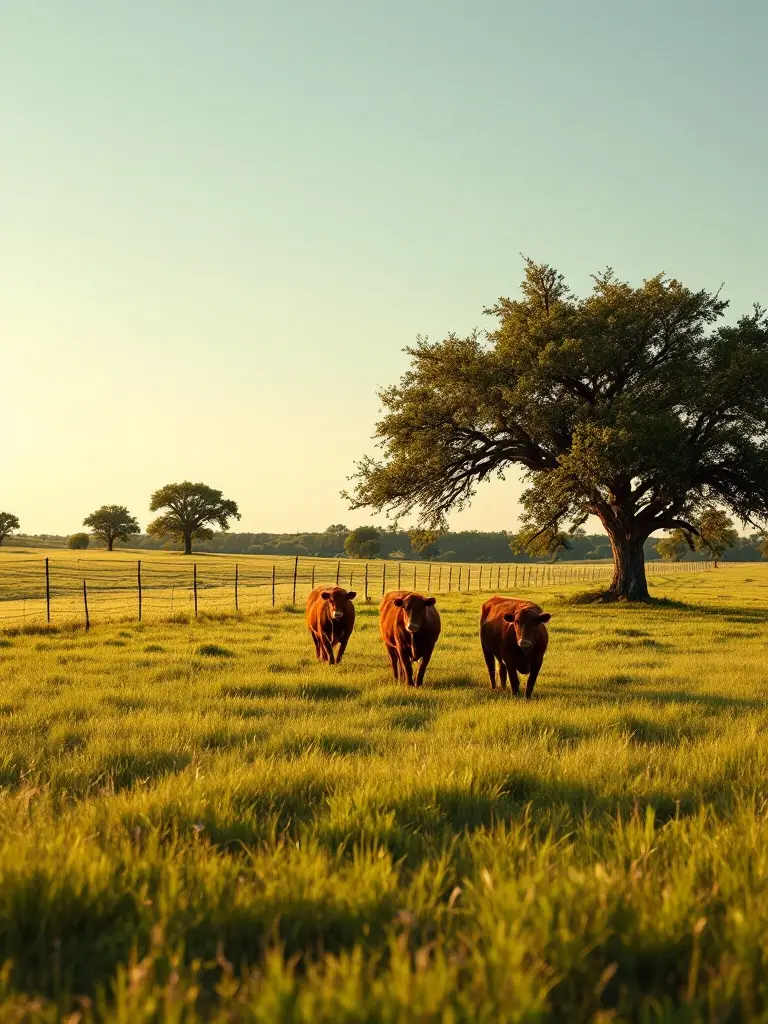
I don't value a tract from behind a desk. I run cattle on my own place, I come from a ranching family with relatives running large cattle operations in Northeast Texas, and I've spent enough years training horses and on horseback to be at home walking a property. So when I read your land I'm reading where the water sits, how the ground drains, what the fences, pens, and outbuildings are actually worth, and what it would take to run the place after closing.
That's also how I price it. A buyer for acreage isn't shopping square footage, they're buying a way of living, and the things that decide what they'll pay are the things you only catch if you've done it. I bring the market read, and where a deal needs a surveyor, a title search, or a mineral attorney, I bring them in.
Start here
Why land can't be valued by a calculator
Online estimates work by finding a nearly identical home that sold down the street. Land almost never has one. Two 20-acre tracts a mile apart can be six figures apart in value: one has a stock pond, real road frontage, and can get a septic permit, while the other backs to a floodway, reaches the road by an easement, and can't be built on until it's platted. A computer sees two 20-acre tracts.
The things that actually decide a tract's value, the water, whether the minerals convey, the flood plain, legal access, and any ag valuation, are exactly the things a computer can't see. On acreage an automated estimate isn't a rough starting point. It's a guess with no ground under it, and price is the one place that mistake costs real money.
What I actually read
What sets your land's value
Seven things move the number, and acreage is only the first. A national algorithm guesses at all of them. A land agent who reads tracts for a living knows them.
- Usable acreage, not raw acreage
- What matters is how much of the land actually works: cleared versus wooded, the slope, the soil, and the shape of the parcel. Two tracts of the same size can carry very different numbers, and acreage alone tells you almost nothing.
- Water and water rights
- A pond, a creek, a well, and any rights attached to the land can lift a tract's value substantially or cap it. Surface water, groundwater, and who has a claim to it are worth pinning down before you put a price on the ground.
- Minerals
- In Texas the mineral estate can be severed from the surface, so a tract may convey all, some, or none of the minerals, and a producing lease can sit on your value. Whether they convey is a title question, and it changes what a buyer is really getting.
- Flood plain and legal access
- How much of the land sits in a flood plain, and whether it has legal, usable road frontage or leans on an easement, moves the number more than most owners expect. Both get confirmed from the survey and the maps, not guessed from a plat.
- Ag or wildlife valuation
- A special ag or wildlife-management valuation can hold the property-tax bill down and widen your buyer pool, but a change in use can trigger a rollback tax. Whether it's in place, and what keeps it, is part of the value picture.
- Improvements and utilities
- Fencing, a barn or shop, a well and septic, and whether electricity and water are at the road or a mile away are real value, and their absence is a real cost. This is where a working place and a raw tract separate on price.
- Whether it can be built on or split
- Value hides in the paperwork. A tract that can get a septic permit and a legal address is worth far more than one that can't, and in a county like Grayson a parcel split off under a platting exemption can't be permitted until it's properly platted. What a buyer can legally do with the ground sets the ceiling on what they'll pay.
What the number really turns on
Per acre swings on location, not size
Ask what land goes for per acre around here and the honest answer is that it depends where the acre is. Land within sight of US 75 is priced on what might get built on it later; move a few miles east or west and the same money buys ground priced on what it can actually grow or graze. Grass doesn't earn at corridor prices, so a per-acre figure pulled from a listing down the road can be off by multiples.
There's no clean county-level price series for North Texas land. The nearest real data is regional: Texas A&M's Real Estate Research Center put the Northeast Texas region around $9,300 an acre in late 2025, up modestly year over year on sales volume down almost a fifth. Read those two together and it's a thin market, where sellers hold out and buyers step back, not one that's surging, and it blends metro-fringe with remote counties, so it over- or under-states any specific tract. I price yours from comparable tracts, not a regional average.
What most valuations miss
The quiet things that move the number
Acreage and water are the obvious levers. These are the ones that hide in the paperwork and either scare off a buyer or shave the price late in a deal. I flag them early. I'm a REALTOR®, not an attorney or surveyor, so I bring in title, a surveyor, or the right attorney to run each one to ground.
- Deed restrictions and covenants
- Country land isn't automatically 'do what you want.' Rural tracts and rural subdivisions can carry recorded restrictions: no manufactured homes, a minimum build size, no further subdividing, no commercial or livestock use, even architectural approval. They quietly cap what a buyer can do, which caps what they'll pay. I pull the recorded restrictions instead of assuming there are none.
- Private roads and who maintains them
- If the only way in is a shared gravel road, the questions are who keeps it passable and whether there's a recorded road-maintenance agreement. Many lenders won't finance a tract on a private road without one, which shrinks your buyer pool. Legal access on paper is not the same as a road that holds up in the rain.
- Easements, pipelines and surface use
- A utility line, a pipeline right-of-way, or a neighbor's access easement can cross the tract and dictate where a buyer can build. And because Texas lets minerals be severed, a mineral owner or lessee can have the right to put a road, a pad, or a pump on ground you thought was fully yours. These live in the title work, not the listing.
- The fence line is not the property line
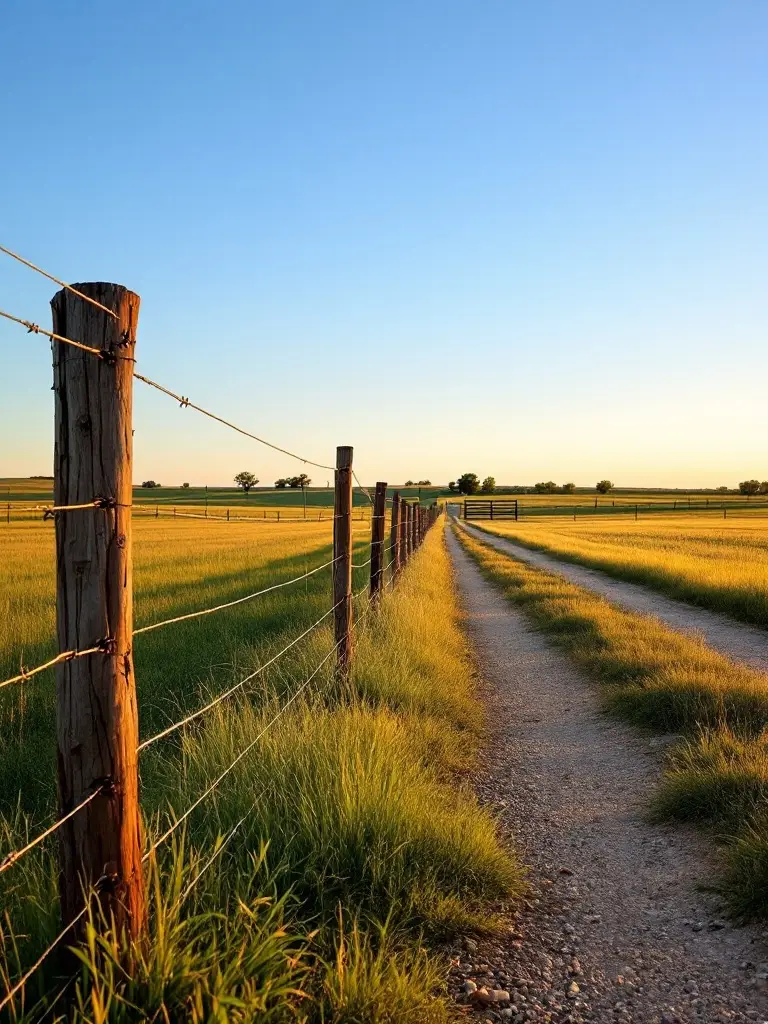
- Texas fences tend to sit where the last owner put them. A current survey often shows the deeded boundary feet, sometimes acres, off the fence, which changes your usable acreage and can open an encroachment or adverse-possession question with a neighbor. It's why I want a survey read before we price, not after we're under contract.
- Ag rollback on a change of use
- If a buyer takes the land out of ag or wildlife use, the county can recapture the tax savings for the prior three years plus interest. Who absorbs that rollback is negotiable, and it belongs in the contract instead of surfacing as a surprise at closing.
- Special-district taxes and POA dues
- A MUD or PID can add to the annual tax bill, and a rural property-owners association can add dues and architectural rules. Near a new development especially, that carrying cost is part of what a buyer is really paying, so it belongs in the value conversation up front.

Your land's real value — read from comparable tracts, not a calculator.
Raw acreage, a working ranch, or lake-country land: I read the whole property before I ever give you a number.
Selling acreage
Selling land is its own job
A land sale isn't a bigger version of selling a house. It's priced from comparable tracts rather than the home down the street, it's marketed to buyers who search differently and care about water, access, and ag status, and the diligence runs deeper: survey, title, minerals, flood plain, legal access. Getting ahead of those is what keeps a closing from stalling.
I run the sale and the marketing, and I bring in the surveyor, title company, or mineral attorney a deal needs. I'm a REALTOR®, not an appraiser or attorney, so I give you a supported market read and assemble the right experts around it.

No cost, no obligation
Tell me about your land
Share a few details and I'll build your valuation personally and walk you through it, by call, text, or email, whatever you prefer. You don't need a survey or every answer. If you're settling an estate or planning a sale down the road, that's completely fine. No pressure, ever.
Prefer to talk it through first? (903) 568-6626
Before you price it
Knowing your number is step one
A real value is the starting point, not the whole decision. See how I sell acreage in my guide to selling ranch & land in North Texas, and if the tract sits in Grayson County, the rules that decide whether ground can be built on at all — the platting exemptions that block an address and a septic permit, and what an ag valuation does the day you close.
Buying or reading a tract instead? Grab the Land & Lake Buyer's Checklist, look at land near Bois d'Arc Lake in Fannin County, or, if it's a place to hunt, see what drives a hunting tract's value, and for cropland see my farm-land guide. Selling a house too? Start with what your home is worth, and the homestead & ag property-tax picture.
Common questions
Land valuation questions
How much is my land worth per acre in North Texas?
There's no single per-acre number, and any site that hands you one is guessing. What land brings per acre swings with usable acreage, water, whether the minerals convey, flood plain, legal access, and ag valuation, and it swings hard on location: corridor land near US 75 prices on development potential, while ground a few miles out prices on what it can grow or graze. Regional averages exist but blend metro-fringe with remote counties, so they can badly over- or under-state your specific tract. I price yours from genuinely comparable tracts and give you a supported market read, with the reasoning behind it. I'm a REALTOR®, not an appraiser, so it's a market read, not a formal appraisal.
Is there an online calculator for land or ranch value?
Not one you should price off of. Those tools are built for suburban homes with a near-identical sale down the street, and land rarely has that comp. A calculator can't see your water, mineral rights, flood plain, road access, or ag exemption, which are the things that actually set the value, so acreage owners routinely get numbers that are wildly off. A real read on your specific tract is the only reliable one, and I do it for free.
Is a land valuation free, and am I obligated to list with you?
It's completely free and there's no obligation. Plenty of owners ask just to understand where they stand, to settle an estate, to plan a sale a year out, or to decide whether to keep running it. I'd rather you have a real number and the truth about timing than make a decision that size on a guess. If it's not your time to sell, I'll tell you that.
Can you value raw land, a working ranch, or waterfront acreage?
Yes, and those are exactly where automated estimates fall apart. Raw land, a working ranch with pens and outbuildings, and waterfront or lake-country acreage each price on things a computer can't see, from water and dock eligibility to ag status and usable acreage. I value acreage as land, not as an oversized house lot, across Grayson, Fannin, Hunt, Cooke, and Kaufman counties, and I coordinate the surveyor, title, and any mineral or water specialist a deal needs.
What information do you need to value my land?
Enough to find the right comparable tracts and read yours honestly: roughly where it is and how many acres, whether it has water, a well, or utilities, how it's accessed, whether it carries an ag or wildlife valuation, and anything you know about the minerals or improvements. You don't need to have all of it, and you don't need a survey in hand. Tell me what you know and I'll pull the county context and the comparable sales behind the number.
Does an ag exemption or the mineral rights change what my land is worth?
Both can, and both get missed. An ag or wildlife valuation holds down the tax bill and can widen your buyer pool, but if a buyer changes the use it can trigger a rollback tax, so how it's handled affects your sale. And because Texas lets the mineral estate be severed from the surface, whether the minerals convey changes what a buyer is actually getting and what they'll pay. I flag both up front and get them addressed in writing rather than discovered at closing. I'm a REALTOR®, not an attorney or tax advisor, so I coordinate that review rather than give a legal opinion.
How long does land take to sell in North Texas?
Usually longer than a house, and pricing it right matters more than anything else. Land has a smaller buyer pool, many buyers pay cash or use a land loan rather than a mortgage, and the diligence runs deeper, so deals move at their own pace. A well-priced tract with clean access, a known septic and platting picture, and its ag status sorted can move quickly. An overpriced one, or one with an access or flood-plain question nobody answered, can sit for a year while buyers move on. Pricing it correctly from the start and getting ahead of the diligence is most of what shortens the timeline.
Do I need a survey to sell my land?
You don't always need one to list, but you almost always need one to close, and having a current survey up front usually works in your favor. In Texas fences tend to sit where the last owner put them, so a survey can show your deeded line feet or even acres off the fence, which changes the usable acreage a buyer is paying for. It also flags easements and encroachments before they blow up a deal. If you have a recent survey, bring it. If you don't, I'll tell you whether it's worth ordering one before we list or waiting for the buyer's lender to require it.
Can you sell land I inherited or own from out of state?
Yes, and both are common. Inherited land usually starts with clear title and how the estate is held, which your attorney or the title company confirms, and from there it's pricing, sorting out access, survey, and mineral questions, and marketing to real land buyers. If you're out of state, I can run the whole thing remotely, from photos and video to signage, showings, and closing, so you don't have to be here. Tell me the situation and I'll walk you through the specific steps for your tract.
Start with the truth
Let's find out what your land is really worth.
It's free, it's specific to your tract, and it's yours to keep. Whether you sell this season, next year, or not at all, you'll know exactly where you stand.