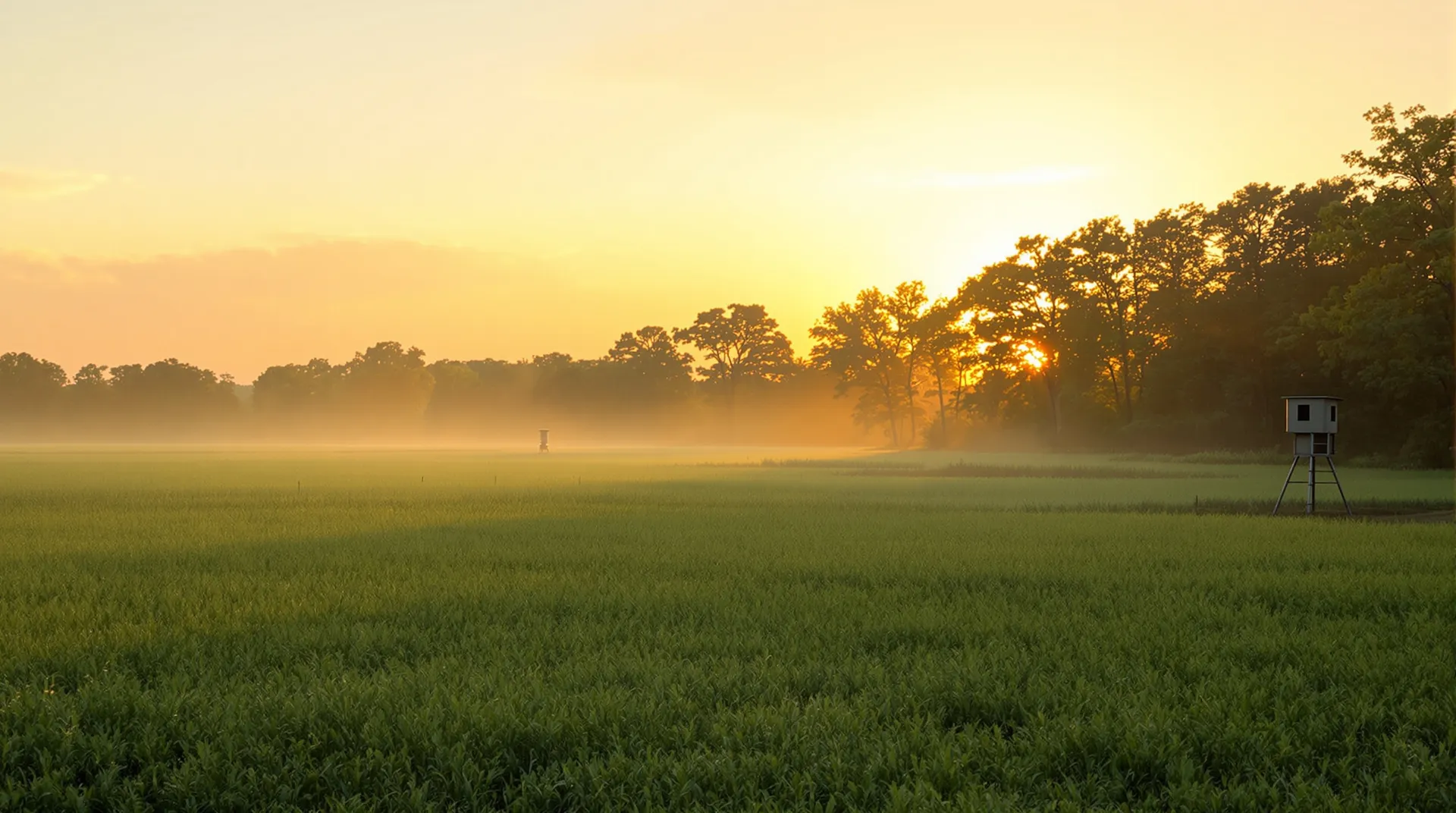
North Texas · Hunting & recreational land
Hunting land, bought right.
A tract is worth what it can hold. I read the game, the water and the cover before the price, and bring in the specialists so nothing gets guessed at.
Looking for hunting land for sale in North Texas?
A hunting tract is not measured in acres. It is measured in what the land can hold.
Read the land, then the price
I read a tract for what it holds
I come from a ranching family and I live on the land I sell, so when I walk a property with you I am not counting acres off a plat. I am reading where the water sits and whether it holds through a dry spell, where the cover and the edge are, what the adjoining fields feed, and what the neighbors run. That read is what separates a tract animals move through from one they live on, and it is the part a listing photo never shows.
Recreational land is not a house with a yard. Someone buying a hunting place is buying a way to spend their season, and a listing that photographs a cabin and treats the land as a backdrop tells them nothing. I market and read the whole property, and I know which details a buyer who actually intends to hunt it will care about.
I am the REALTOR® who runs your side of the deal, and I bring in the people a land purchase needs: a surveyor, a title search, a mineral attorney where the minerals are in play, and a wildlife biologist when a wildlife-management valuation is on the table. Knowing the land and knowing when to call a specialist is how you buy a tract you can trust.
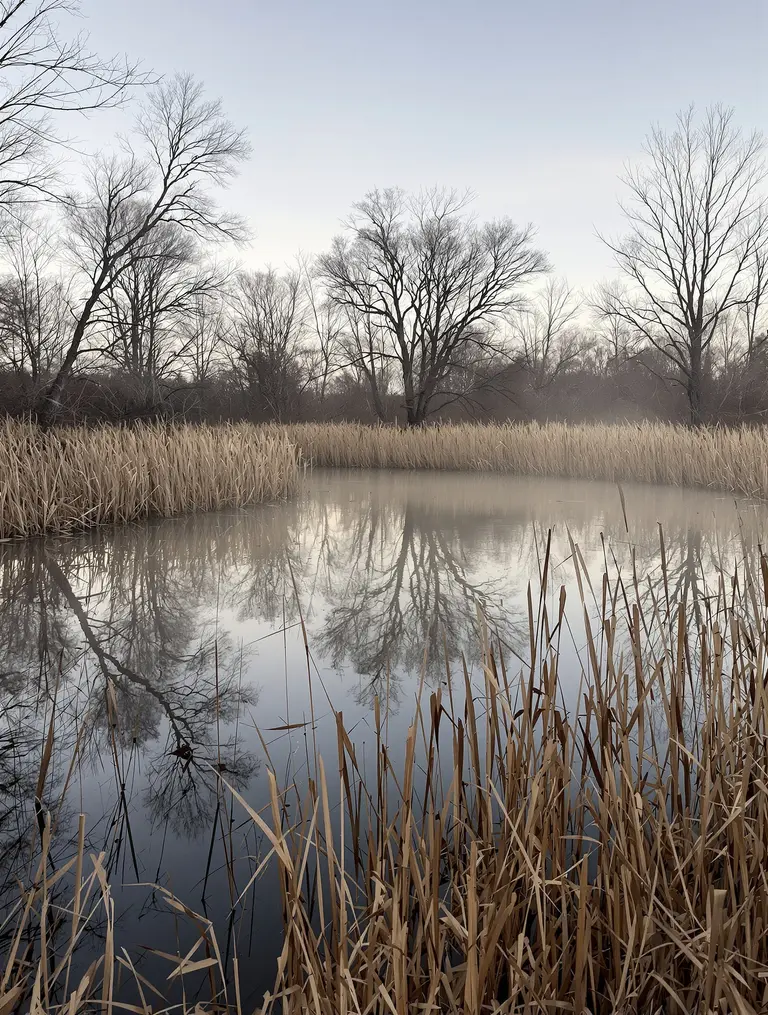
What it is really worth
What drives a hunting tract's value
Acreage is the headline, not the answer. These are the things I weigh before I ever give you a number, and the things a buyer should confirm before they fall for a piece of ground. Want a real read on a specific tract? Get a free land valuation.
- The game on the ground
- What a tract can hold depends on where it sits. The Post Oak Savannah and Cross Timbers running through Grayson, Fannin, Cooke and Hunt hold the best whitetail cover; the Blackland Prairie is more open ag ground that shines for September dove; and the Red River bottoms up north hold both deer and wintering ducks. Feral hogs are everywhere and legal year round. The habitat is what you are actually buying.
- Water that holds
- Water holds game, but only if it lasts. What matters is permanence: a stock tank or creek that keeps water through a dry August, a seasonal slough ducks find in winter, a well with real production behind it. Ask whether the water is permanent, seasonal or rainfall-dependent, and whether it sits where you would actually hunt. That difference is often the difference in the price.
- Cover, food and holding capacity
- A hunting tract is valued on holding capacity, not raw acreage. A smaller place with a creek bottom, native browse and a mix of hardwood and edge can out-produce a larger tract that is overgrazed or choked with cedar. Adjoining crop fields, room for a food plot, and thick bedding cover are what keep game on the land instead of drifting to the neighbors.
- Acreage, the law and the neighbors
- Texas sets no statewide minimum acreage to hunt land you own. What can limit you is local: many counties restrict discharging a firearm on tracts of 10 acres or smaller, and bow hunting on tracts under 7 acres, through their own ordinances. Above that, you hunt the neighborhood as much as your own fence line, so what the surrounding land holds matters as much as the acreage on the deed.
- Access and the improvements that convey
- Confirm both physical and legal access: who owns the road, how wide the easement is, who maintains it, and whether it floods. Then confirm what actually conveys. Blinds, feeders, stands and equipment are personal property in Texas and do not automatically transfer with the land. If they are not written into the contract, they can be gone the day you close.
- The wildlife-management tax valuation
- This is the biggest lever most buyers miss. A tract already carrying a 1-d-1 agricultural valuation can convert to a wildlife-management valuation and keep the same low property taxes while you manage it for native wildlife instead of livestock. It requires the land already be in ag use, a written wildlife-management plan, and at least three of seven approved practices. Taking land out of that use can trigger a rollback tax, so it belongs in the plan before you buy.
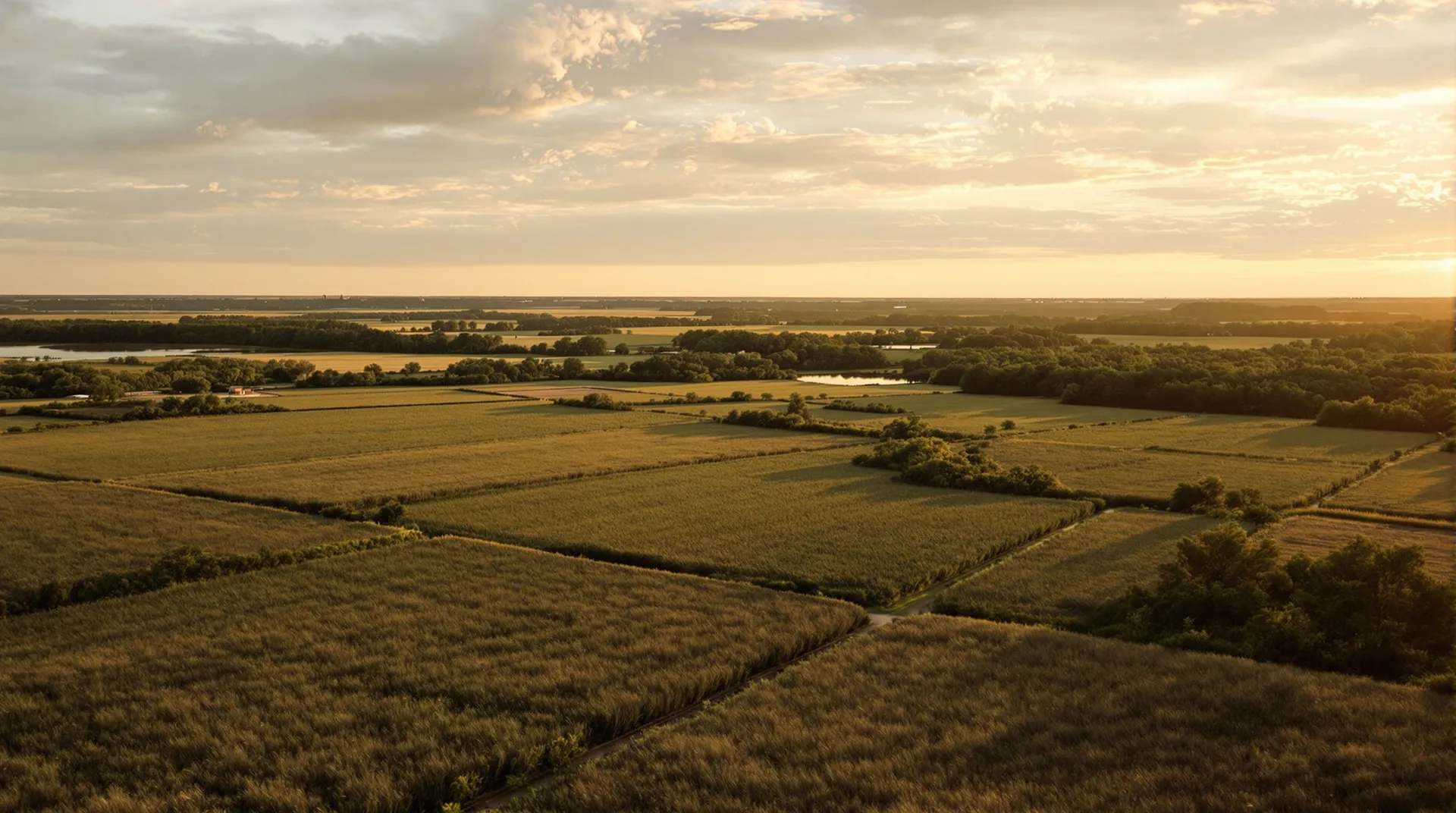
Good ground tells you where the game is before you ever sit a blind.
Water, cover, the edge, and what the neighbors run. I read the whole tract before I ever give you a number, so you buy land that holds, not land that just looked wild from the road.
Buying a hunting tract
Why buying land to hunt is its own job
Buying a hunting tract is not a bigger version of buying a house. It is valued differently, it carries rules a suburban lot never does, and the tax and income picture can change what the land really costs to own. Getting each one right is what keeps a good piece of ground from coming with a problem you did not see.
- Read
- Rules
- Taxes
- Income
I am a REALTOR®, not a game warden, wildlife biologist, appraiser, surveyor or attorney. I give you a market read, marketing and coordination, and I bring in the right professionals to certify acreage, title, minerals, flood status and any ag or wildlife-management valuation. Hunting licenses, seasons, bag limits and firearm-discharge rules are set by Texas Parks & Wildlife and by the city or county, and they change, so those are always confirmed with the current rules, not assumed from a listing.
What it costs
The real numbers on a hunting tract
Ballpark ranges, not quotes. Every tract is different and prices move, so treat these as a way to frame the decision, then I pull real comparable figures for the specific property. Want a read on a tract you are weighing? Tell me about it.
- The land, per acre
- Small recreational tracts of 10 to 50 acres near the metro have been running in the mid-twenty-thousands per acre and up, higher in the fast-growth counties, while large tracts out in Northeast Texas price closer to $9,000 an acre. Size and location move this more than anything else. The full breakdown is in my guide to what an acre of North Texas land really costs.
- A hunting lease
- If you lease the land to hunters, North Texas deer leases commonly run about $10 to $30 per acre a year, higher near the metro and on well-managed or high-fenced ground, with the statewide range spanning roughly $5 to $50. On a few hundred acres that can offset a real share of what the tract costs to own. Charging for access requires a TPWD hunting-lease license.
- A stock tank or pond
- Water is often the best money you can spend on a hunting tract. A small stock tank can run from a few thousand dollars into the low five figures, while a full one-acre pond with a dam and spillway can run $30,000 or more, depending on the soil, the access and how much dirt has to move.
- High fence
- An eight-foot game fence runs roughly $35,000 to $45,000 a mile installed, which is a big part of why high-fenced tracts price well above comparable low-fence ground. Most North Texas tracts are low-fence, and for a lot of buyers that is exactly the right call.
- Blinds, feeders and stands
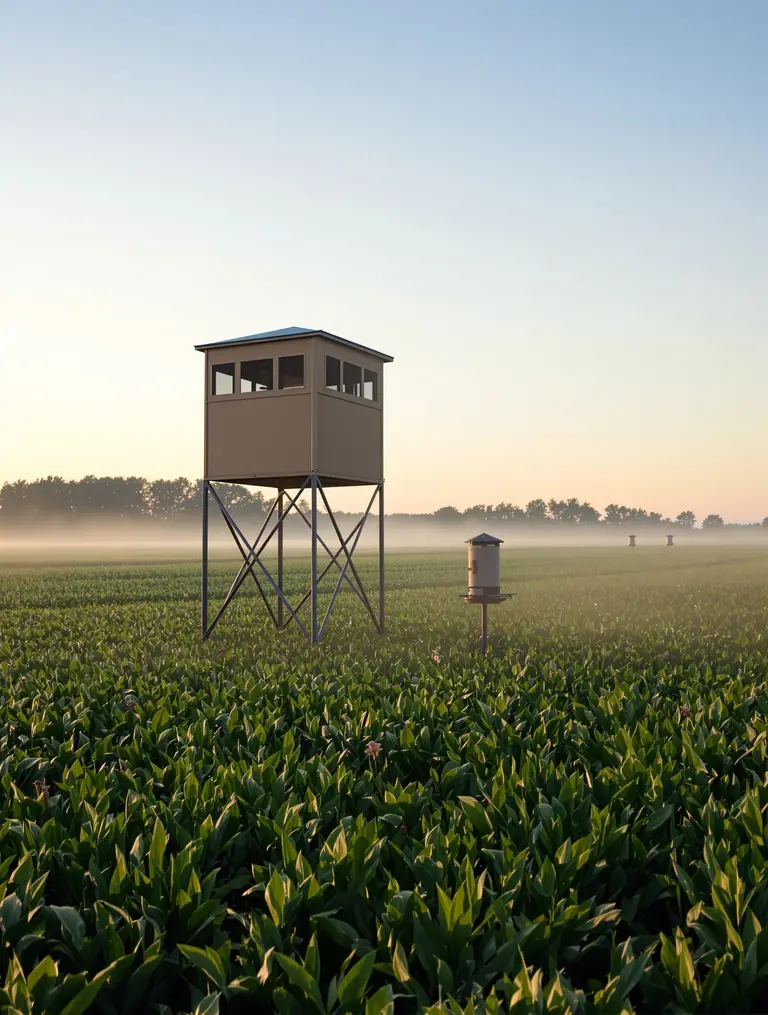
- A box blind and a spin-cast feeder together run a few thousand dollars, and a working tract can have several. They are personal property, so confirm in writing which ones convey, or budget to replace what walks off after closing.
- The property taxes
- The number most buyers underestimate. Raw land taxed at full market value carries a real annual bill; the same tract under an ag or wildlife-management valuation is taxed on its productive value instead, often a fraction of that. Over years of ownership it is usually the largest single cost, or the largest single saving.
These are illustrative ranges drawn from Texas land, lease and construction sources, not quotes, appraisals or tax advice, and they change. I bring in the surveyor, the county appraisal district and the right contractors for the exact figures on your tract. See also my breakdown of what an acre of North Texas land really costs and my guide to the wildlife-management tax valuation, which can hold your property taxes at ag levels without running livestock.
Where I reach for hunting land
Recreational land across North & Northeast Texas
For hunting and recreational tracts my reach widens past the core suburbs into the country where the game actually is: Grayson, Fannin, Hunt and Cooke counties, the Red River bottoms, and out into Northeast Texas where tracts get larger and the price per acre comes down. That covers everything from a weekend deer or dove place within a drive of Sherman or Denison to larger low-fence ground further out, including the newer lake country around Bois d'Arc Lake in Fannin County.
Looking for public land instead? Texas Parks & Wildlife runs a limited public-hunting program and draw hunts, but it is competitive and on their calendar. If you want a place to hunt on your own terms, a private tract of your own is the path, and reading one right is the work.
A hunting tract is a records purchase before it is anything else. My ranch & land guide covers how acreage is priced and marketed, my property-tax guide covers the exemptions and how a wildlife-management valuation fits in, and if the ground sits in Grayson County, my guide to buying land in Grayson County covers the platting and septic rules that decide whether a piece can be built on at all. Looking at the same country as cropland instead? My farm-land guide covers ground bought for the soil and the income.
Go deeper
Land guides, place by place
What a tract is actually worth
Give me the tract and I will tell you what it can hold, what it is worth, and the questions to ask before you sign.
Buying your first hunting place or adding to what you run, I weigh the game, the water, the cover, the access and the ag or wildlife-management valuation, then bring in the surveyor, title and any attorney the deal needs. You get a number you can trust, and no important question left guessed at.
Get a read on a tractCommon questions
Hunting-land questions
How much does hunting land cost per acre in North Texas?
It depends heavily on size and where the tract sits. Small recreational tracts near the metro run far higher per acre than large working ground further out. In the 10-to-50-acre range across North Texas, closed sales have been landing around the mid-twenty-thousands per acre, and higher in the fast-growth counties, while large tracts in Northeast Texas price in the high single-digit thousands per acre. Hunting-specific value rides on top of the dirt: water, cover, game and access can move two same-size tracts far apart. I give you a market read from genuinely comparable land, not a formal appraisal. For the full breakdown see my guide on what an acre of North Texas land really costs.
How much do you need to put down to buy hunting or recreational land in Texas?
Usually more than a home. Raw and recreational land is financed differently than a house: lenders often want a larger down payment and offer shorter terms, and agricultural land lenders like the Farm Credit system are a common fit alongside local banks. There is no universal percentage, because it depends on the lender, the tract and your plans. I am a REALTOR®, not a lender, so I point you to lenders who actually finance land and help you line up terms before you write an offer, rather than after.
How many acres do you need to hunt in North Texas?
Texas sets no statewide minimum acreage to hunt land you own, so the real answer is about the local rules, the game and the neighbors, not a single number. Many counties restrict discharging a firearm on tracts of 10 acres or smaller, and bow hunting on tracts under 7 acres, through their own ordinances, so on a small tract near town the county can effectively set the floor. Above that, a place inside good country next to land that holds deer can hunt better than a much larger tract surrounded by houses. I help you read the tract and the neighborhood together, and I point you to the county and Texas Parks & Wildlife to confirm what applies.
What is the difference between high-fence and low-fence hunting land?
A low-fence tract uses standard livestock fencing, and deer move freely on and off it, so you are hunting a wild, shared herd and the neighborhood matters. A high-fence tract has an eight-foot game fence, usually around $35,000 to $45,000 a mile installed, that holds a managed herd on the property and supports intensive management. That fence is a big reason high-fence tracts price well above comparable low-fence ground. Most North Texas tracts are low-fence, and for a lot of buyers that is the honest, better-value choice. Which one fits depends on how you want to hunt and manage the place.
Do you need a hunting license to hunt on your own land in Texas?
For deer and most game, yes, even on land you own. Feral hogs are the big exception: since September 1, 2019, Texas no longer requires a hunting license to take feral hogs on private property with the landowner's consent, and they have no closed season or bag limit. Rules change and I am a REALTOR®, not a game warden, so I point you to the current Texas Parks & Wildlife regulations rather than give you an interpretation. What I make sure of is that the land itself can legally be hunted, that access is real, and that any local discharge ordinance is on your radar before you buy.
Can I keep the low ag taxes on hunting land in Texas?
Often yes, through a wildlife-management valuation, but the details matter. The land must already carry a 1-d-1 agricultural valuation at the time you convert; you cannot start from raw land. You file a written wildlife-management plan and an application with the county appraisal district, generally between January 1 and April 30, and you commit to at least three of seven approved practices such as providing supplemental water, supplemental food, or census counts. Done right, it holds your property taxes at ag levels while you manage for game. Taking the land out of that use can trigger a rollback tax. I flag it early and coordinate the wildlife biologist and the appraisal district. I am a REALTOR®, not a tax advisor.
What is the Managed Lands Deer Program (MLDP) in Texas?
MLDP is a Texas Parks & Wildlife program that gives a landowner more flexible deer seasons and harvest in exchange for following a wildlife-management plan written with a TPWD biologist. It pairs naturally with a wildlife-management tax valuation, since both run on the same kind of habitat plan, and it is one of the tools serious deer managers use to improve a herd over time. I am a REALTOR®, not a biologist, so I flag whether a tract is enrolled or a good candidate for it, and coordinate the biologist who writes the plan.
Do the deer blinds and feeders come with the property?
Not automatically. In Texas, blinds, feeders, stands, corral panels and similar equipment are personal property, not part of the real estate, so they only convey if the contract says so. Sellers often haul off the good stuff after the handshake. I make sure everything you are counting on, the box blinds, the feeders, any equipment or a cabin's contents, is spelled out in writing before you sign, so nothing you thought you were buying disappears the day you close.
Where is the best hunting land near Dallas and North Texas?
The strongest recreational and hunting ground within a comfortable drive of the metro sits north and east: the Post Oak Savannah and Cross Timbers through Grayson, Fannin, Hunt and Cooke counties, the Red River bottoms for deer and wintering ducks, and out into Northeast Texas where tracts get larger and the price per acre comes down. The Blackland Prairie in between is more open ag ground that shines for dove. What makes a piece good is less the county line and more the habitat on it: water, cover, adjoining ag, and what the neighbors run. I help you weigh a specific tract against that.
When is hunting season in North Texas?
Texas Parks & Wildlife sets the dates each year, but the North Texas rhythm is steady. In the 2025-26 season, dove opened September 1, archery deer ran from late September through October, the general whitetail season ran November 1 through January 4, and duck season fell across November into late January. Feral hogs have no closed season at all. Dates shift a little year to year, so always confirm the current season and your county's rules with TPWD before you hunt. What I help with is reading whether a tract actually sits where the game is when those seasons open.
Can hunting land pay for itself?
Partly, for the right tract. A well-set-up property can carry a seasonal hunting lease that offsets part of the cost of owning it, though if you charge for that access Texas requires you to hold a hunting-lease license. A wildlife-management valuation can hold the property taxes at ag levels, and land in the North Texas growth path has tended to appreciate. None of that is guaranteed, and whether a lease fits depends on the property, so I help you price it in honestly before you buy rather than after.
Free download
The Land Buyer's Checklist
The read I run before a buyer commits to a piece of ground: the access, septic, mineral, flood and valuation questions a listing photo hides — the same checklist that keeps a hunting tract from coming with a problem you did not see.
- The access and platting traps that can stop a tract from being usable
- Whether the ground will actually take a permitted septic system
- Minerals, flood plain, legal access, and the ag or wildlife-valuation rules
- A before-you-write-an-offer checklist you can use on any parcel
Buy the right ground
Let's talk about your tract.
Buying your first hunting place, a weekend deer or dove tract, or a larger piece of Northeast Texas? Tell me what you are looking for. I will tell you what it can hold, what it is worth, what it is not, and lay out the steps, no pressure.