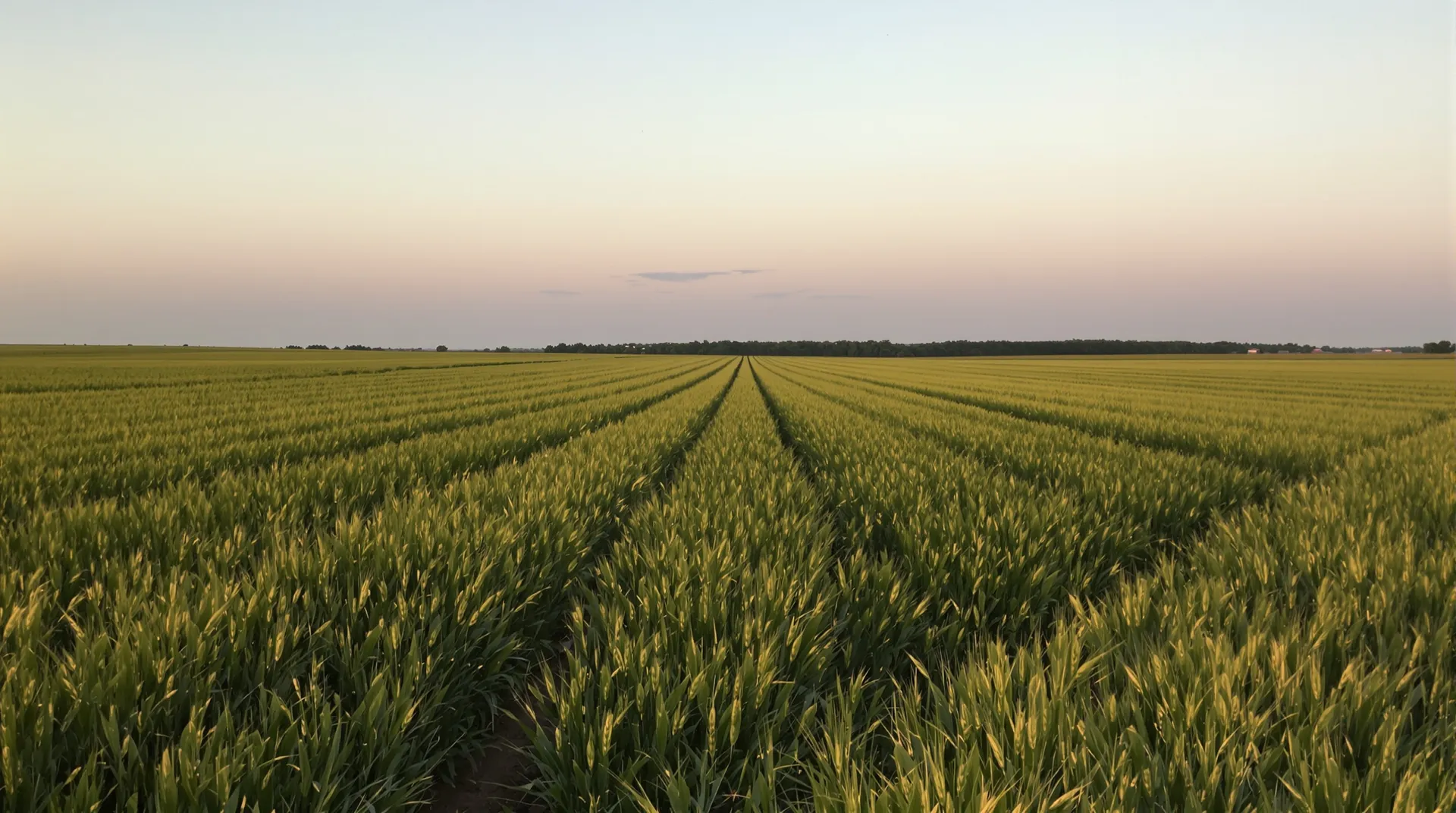
North Texas · Farm & cropland
Farm land, read for the dirt.
Cropland is priced on the soil, the water and the income, not the view. I read the ground and the lease before the price, and bring in the specialists so nothing gets guessed at.
Looking for farm land for sale in North Texas?
With cropland, the dirt is the asset. Its value lives in the soil, the water and the income, not the view from the road.
Read the ground, then the price
I read a tract for what it produces
I come from a ranching family and I live on the land I sell, so when I walk a field with you I am not counting acres off a plat. I am reading the soil and how it drains, whether the ground is dryland or has real water behind it, what it has grown and how it was cared for, and what the lease and the operator on it are actually worth. That read is what separates prime ground from tired ground that looks the same from the road.
Farm land is not a house with a yard. It is closer to a small business you can hold: it comes with a lease, an income, a tax status and a set of programs, and a listing that photographs the field and ignores all of that tells you nothing. I read the whole asset, the dirt and the income both.
I am the REALTOR® who runs your side of the deal, and I bring in the people a farmland purchase needs: a surveyor, a title search, the ag lender who actually finances cropland, and the county appraisal district to confirm the ag valuation. Knowing the land and knowing when to call a specialist is how you buy a tract you can trust.
What it is really worth
What drives farm-land value
Acreage is the headline, not the answer. These are the things I weigh before I ever give you a number, and the things a buyer should confirm before they commit to a field. Want a real read on a specific tract? Get a free land valuation.
- The soil
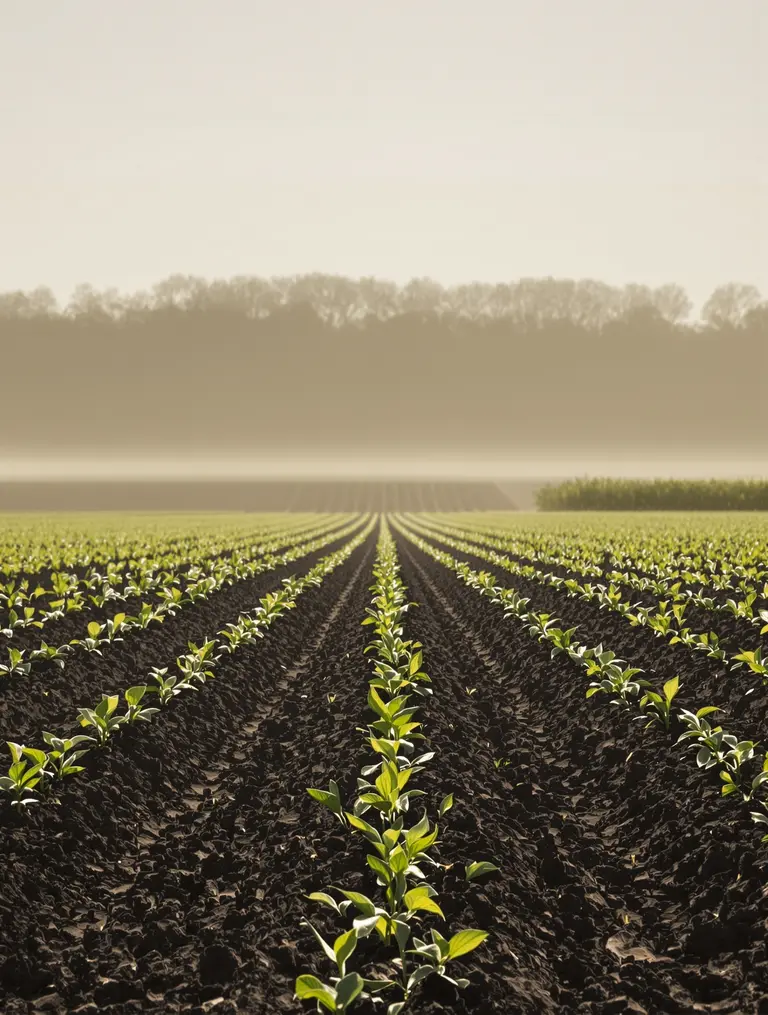
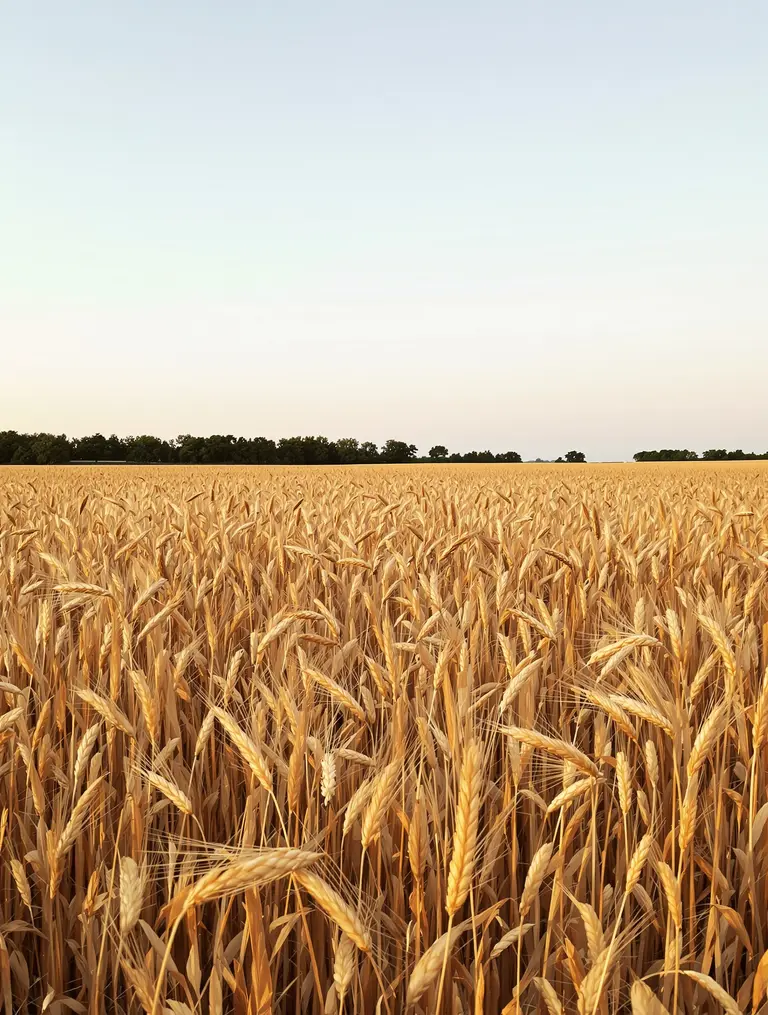
- With cropland the dirt is the asset. Much of North Texas sits on the Blackland Prairie, and the best of it is Houston Black, a deep, dark, high-clay vertisol that is one of the most productive dryland soils in the state. It is also a cracking clay that swells and shrinks, which matters for what it grows and for anything you build on it. Soil class and depth are the first thing I read, because two fields that look alike can farm very differently.
- Water: dryland versus irrigated
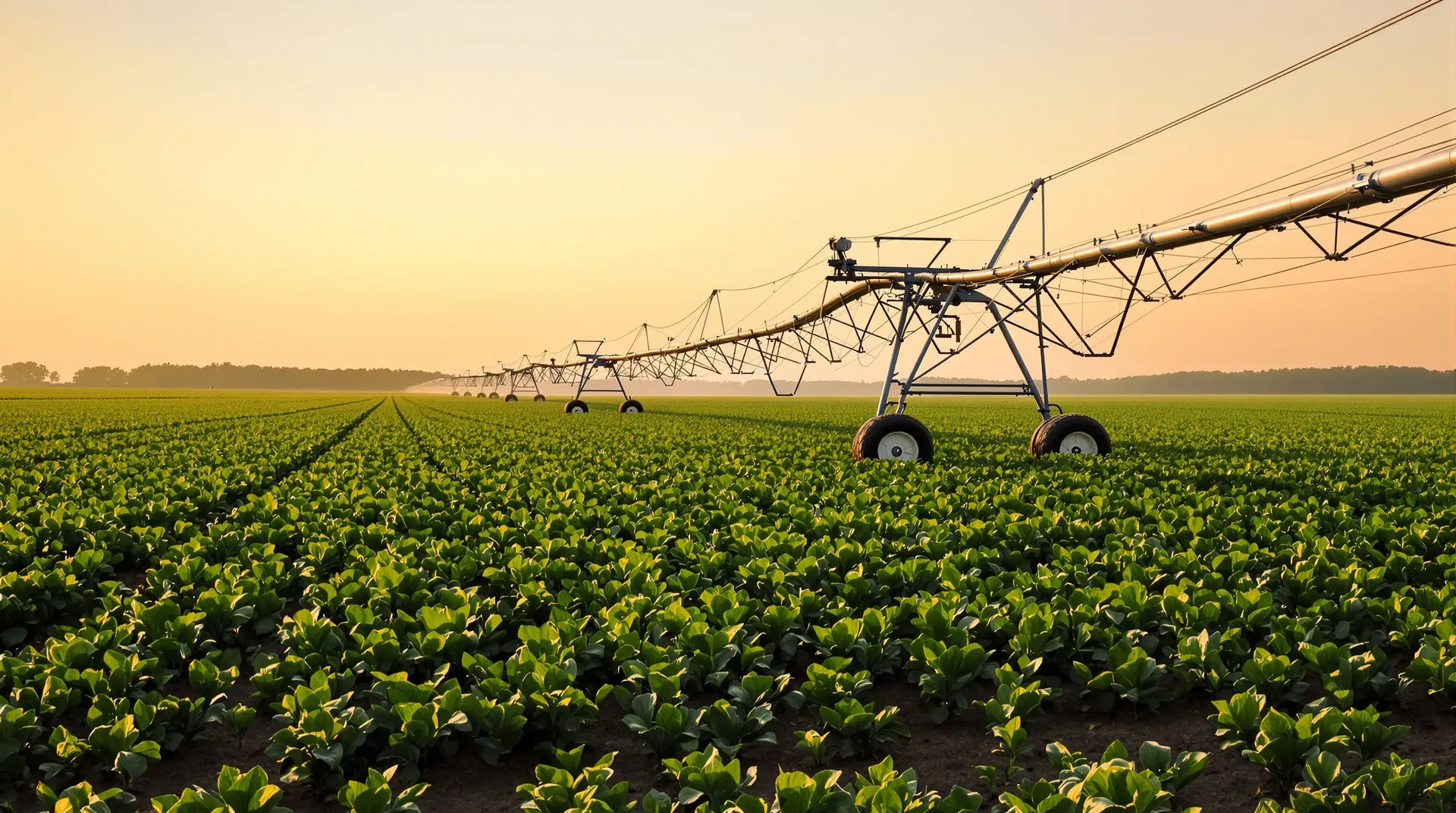
- Most North Texas cropland is dryland, farmed on rainfall, which the Blackland holds well. Irrigated ground, with a well and a pivot or the water rights behind it, produces more and prices higher, but the water is what you are really paying for. I flag whether the tract is dryland or irrigated, where the water comes from, and whether any of it is committed elsewhere.
- Crop history and rotation
- What the ground has grown, and how it was cared for, is real value. Wheat, grain sorghum, corn, cotton and soybeans are the working crops here, often in rotation. Yield history, how the soil has been managed, and whether it has been worn down or kept in good heart all feed into the number, and they are worth asking about before you price or buy it.
- Cash rent and the lease
- Farmland can produce income the day you own it. Most tracts are leased to a farmer for cash rent, and the rate depends on the soil, the water and the crop. A clear, fair lease with a good operator is an asset in itself; a vague one, or an absent operator, is a problem to solve. I read the lease that is in place, not just the acreage.
- Ag valuation and CRP
- Cropland in cultivation almost always carries a 1-d-1 open-space agricultural valuation, which taxes it on productive value instead of market value, a large ongoing saving. Some tracts are enrolled in CRP, a federal program that pays to idle sensitive ground. Both affect your taxes and your options, and a change in use can trigger a rollback tax, so they belong in the read before the offer.
- Access, drainage and improvements
- Legal road access, how the field drains, and improvements like grain storage, a well, fencing or a pivot are real value, and their absence is a real cost. On the metro-facing edge, road frontage and utilities can be worth more than the farming itself, because the next buyer may not be a farmer at all.
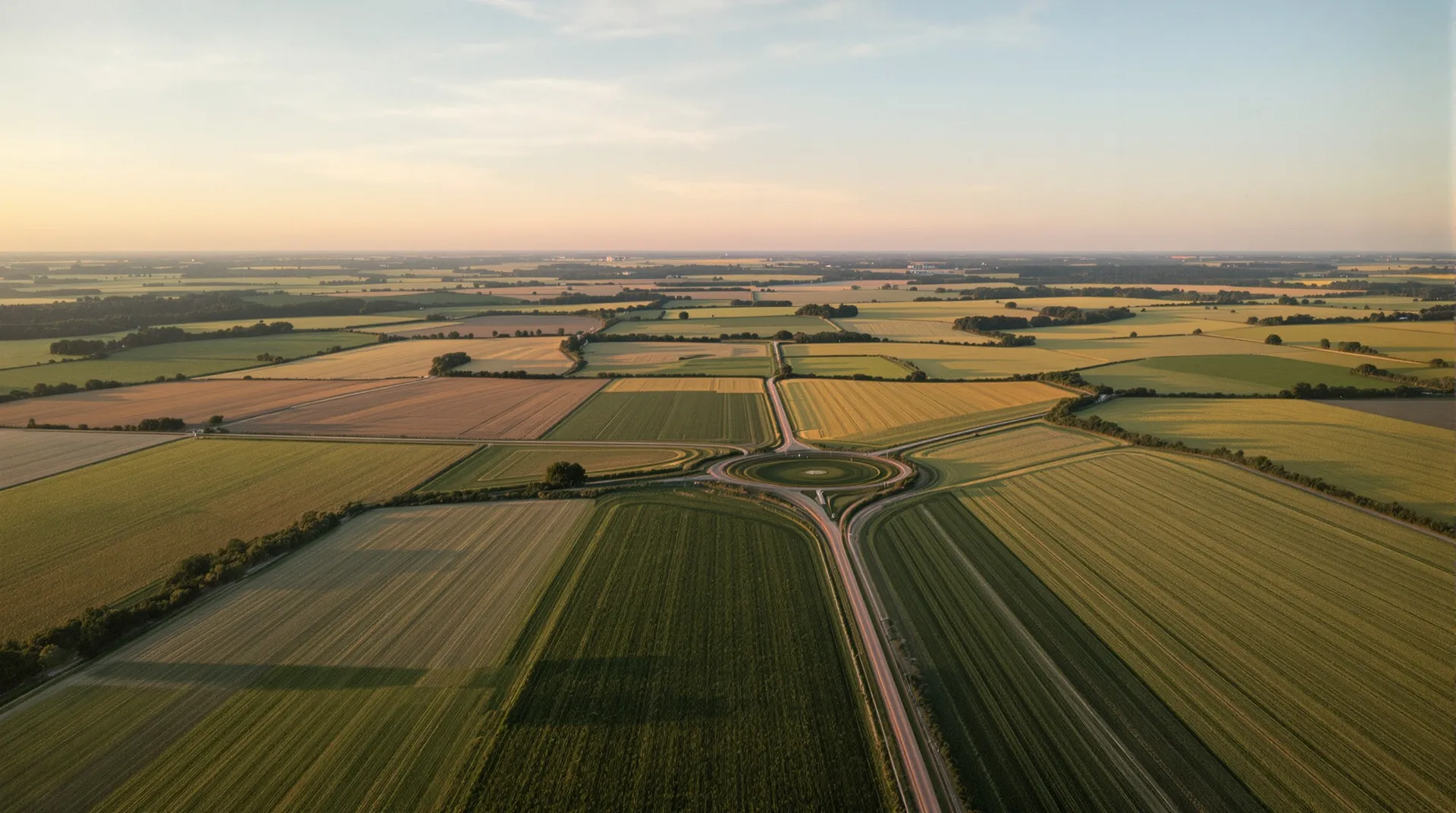
With cropland, the value is in the dirt.
Soil, water, the crop history and the lease. I read the whole asset before I ever give you a number, so you buy productive ground, not just acreage that looked green from the road.
What's your land worth?Buying cropland
Why buying farm land is its own job
Buying farm land is not a bigger version of buying a house. It is valued on the dirt, it usually comes with income and a lease, it carries tax and program rules a house never does, and the next buyer might not farm it at all. Getting each one right is what keeps a good piece of ground from coming with a problem you did not see.
- Dirt
- Income
- Rules
- Buyer
I am a REALTOR®, not an appraiser, surveyor, ag lender, attorney or financial advisor, and this is not investment or tax advice. I give you a market read, marketing and coordination, and I bring in the right professionals to certify acreage, title, soil, water and any ag valuation, CRP or program status. Ag rules and land values change, so those are always confirmed with the county appraisal district and the proper specialist, not assumed from a listing.
The numbers
What farm land really costs, and earns
Ballpark ranges, not quotes. Every tract is different and the market moves, so treat these as a way to frame the decision, then I pull real comparable figures for the specific ground. Weighing a particular tract? Tell me about it.
| Metric | Figure | Source |
|---|---|---|
| Cropland value (Texas average) | ~$2,710 / acre | USDA, 2025 |
| Cropland value, year over year | +5.4% | USDA, 2025 |
| Non-irrigated cropland cash rent | ~$36.50 / acre | USDA NASS, 2025 |
| Pasture cash rent (Fannin County) | ~$19 / acre | USDA NASS, 2025 |
| Cropland premium over pasture | ~+$400 / acre | USDA, 2025 |
- The land, per acre
- Texas cropland averaged about $2,710 an acre in 2025, up 5.4 percent on the year, per USDA, but the average hides a wide spread. Prime irrigated or metro-fringe Blackland ground trades well above that, while thinner dryland out east runs below it. On the growth edge, land with road frontage and development potential can price far past any farming value. Size, soil and location move this more than anything else.
- Cash rent income
- Non-irrigated cropland across Texas rented for about $36.50 an acre in 2025 (USDA NASS), with irrigated and prime Blackland ground higher and pasture lower (Fannin County pasture, for example, ran about $19). On a section of good ground, a fair cash-rent lease is real, steady income that a house does not produce.
- The property taxes
- This is the number that most changes the math. Cropland in cultivation is almost always taxed on its productive value under a 1-d-1 ag valuation, often a small fraction of what the same acreage would owe at full market value. Losing or breaking that valuation, or triggering a rollback, is one of the biggest avoidable costs in a land purchase.
- CRP and program payments
- Some tracts are enrolled in the Conservation Reserve Program, which pays an annual rent to keep sensitive ground out of production, or in other federal programs. Those payments, and the commitments that come with them, transfer with the land and belong in the read before you buy.
- The development premium
- The current wild card in North Texas, and it is not hypothetical. Data centers are moving onto Blackland farmland fast: Ellis County's Red Oak and Midlothian corridor already anchors a Google campus and others, Kaufman County has one planned near Talty, and roughly two dozen large campuses are now tracked between Sherman and Waco. The demand for flat, powered, metro-facing ground has pushed prices so far above farming value that Fannin County commissioners passed a resolution over losing prime farmland to it. The premium is real but speculative and location-specific, so I help you separate what a tract is worth as farmland from what it might be worth to a developer.
Figures are illustrative ranges from USDA and Texas land sources (2025), not quotes, appraisals or tax advice, and they change. I bring in the surveyor, the county appraisal district and the ag lender for the exact figures on your tract. See also my breakdown of what an acre of North Texas land really costs.
Where I reach for farm land
Cropland across the Blackland Prairie
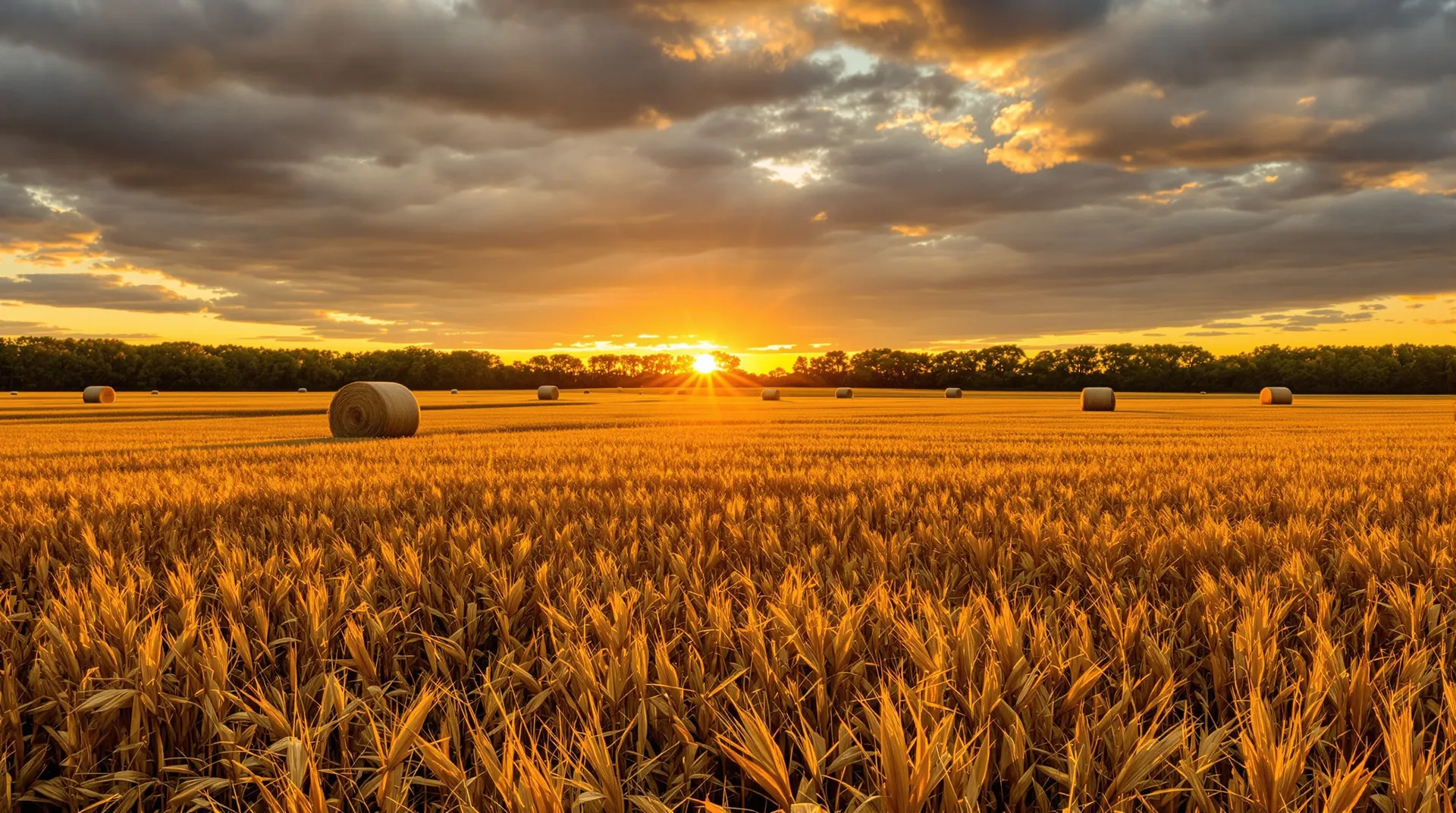
For farm and cropland my reach follows the deep black soil: the Blackland Prairie counties of Fannin, Grayson, Collin, Hunt, Kaufman, Rockwall and Ellis, plus the productive Red River bottoms up north. That covers everything from a quarter section leased to a neighbor near Sherman or Bonham to larger row-crop operations further out, and the metro-facing ground where farmland and development value start to overlap.
Farm land is a records and soil purchase before it is anything else. My ranch & land guide covers how acreage is priced and marketed, my property-tax guide covers the ag valuation and exemptions, and if the ground sits in Grayson County, my guide to buying land in Grayson County covers the platting and septic rules that decide whether a piece can be built on at all.
Looking at the same ground for grazing or a place to hunt instead? My hunting-land guide covers what drives a recreational tract's value, and the ranch & land guide covers acreage bought to run rather than to farm.
Go deeper
Land guides, place by place
What a tract is actually worth
Give me the tract and I will tell you what the ground can produce, what it is worth, and the questions to ask before you sign.
Buying your first piece of cropland, adding to an operation, or holding farmland as an asset, I read the soil, the water, the crop history, the lease and the ag valuation, then bring in the surveyor, the appraisal district and the ag lender the deal needs. You get a number you can trust, and no important question left guessed at.
Get a read on a tractCommon questions
Farm-land questions
How much does farm land cost per acre in North Texas?
Texas cropland averaged about $2,710 an acre in 2025, up roughly 5 percent on the year (USDA), but that average hides a wide range. Prime irrigated or metro-fringe Blackland Prairie ground trades well above it, while thinner dryland further east runs below it, and land with road frontage and development potential on the growth edge can price far past any farming value. Size, soil class, water and location move the number more than anything. I give you a market read from genuinely comparable tracts, not a formal appraisal. For the wider picture see my guide to what an acre of North Texas land really costs.
Can I rent out farm land, and how much is cash rent in North Texas?
Yes, and most farmland is leased. Non-irrigated cropland across Texas rented for about $36.50 an acre in 2025 (USDA NASS), with irrigated and prime Blackland ground higher and pasture lower (Fannin County pasture, for instance, ran around $19). So a tract can produce steady income the day you own it, through a cash-rent lease with a farmer. The rate depends on the soil, the water and the crop, and a clear lease with a good operator is an asset in itself. I read the lease that is in place as carefully as I read the soil.
How does a cash-rent farm lease work, and how is it different from crop-share?
Farmland is usually leased one of two ways. In a cash-rent lease, the farmer pays you a fixed rent per acre for the year and keeps whatever the crop earns, so your income is steady and simple and the operator carries the weather-and-price risk. In a crop-share lease, you and the farmer split the harvest on an agreed percentage, often sharing input costs too, so you take on more of both the upside of a good year and the downside of a bad one. Cash rent is the more common and predictable of the two in North Texas. When a tract comes with a lease already in place, I read the rate, the term, the renewal and who the operator is as part of the value, because a fair lease with a good farmer is an asset and a vague one is a problem to fix before you close.
Is North Texas farm land a good investment?
It can be, for the right buyer and the right reasons, though I am a REALTOR® and not a financial advisor, so this is not investment advice. Farmland tends to hold value as an inflation hedge, it can produce cash-rent income, and on the North Texas growth edge development demand, especially data centers now spreading onto Blackland farmland from Ellis County to Kaufman County, has been bidding ground well above its farming value. That development premium is real but speculative and location-specific. I help you separate what a tract is worth as a farm from what it might be worth to a developer, so you buy on numbers rather than hope.
What is the soil like for farming in North Texas?
Much of North Texas sits on the Blackland Prairie, a belt of deep, dark, high-clay soil running from the Red River down through the metro. The best of it is Houston Black, a classic vertisol and one of the most productive dryland soils in the state, which is why this ground has grown wheat, grain sorghum, cotton and corn for generations. It is also a cracking clay that swells when wet and shrinks when dry, so it farms well but demands respect in anything you build on it. Soil class and depth are the first thing I read on a cropland tract.
Can I keep the low ag taxes on farm land?
Usually yes, because cropland in cultivation almost always already carries a 1-d-1 open-space agricultural valuation, which taxes the land on its productive value instead of market value. The saving is large, but it is not automatic on a sale: you have to keep the qualifying use going, and a change of use, like taking the ground out of production, can trigger a rollback tax for the prior years. I confirm the current ag status and use history with the county appraisal district before you write the offer. I am a REALTOR®, not a tax advisor, so I make sure you ask the right questions of the right people.
What is the difference between dryland and irrigated farm land?
Dryland is farmed on rainfall alone, which the Blackland Prairie's clay soils hold reasonably well, and most North Texas cropland is dryland. Irrigated ground has a well and a pivot or other system, and the water rights behind it, so it produces more and prices higher, but you are really paying for the water. When a tract is irrigated I look hard at where the water comes from, how reliable it is, and whether any of it is committed elsewhere, because the water is often worth more than the dirt.
What is CRP, and does it transfer when I buy the land?
CRP is the federal Conservation Reserve Program, which pays a landowner an annual rent to take environmentally sensitive cropland out of production and keep it in cover for a set term. If a tract you are buying is enrolled, both the payments and the commitments generally carry with the land, and there can be penalties for breaking the contract early. It is a real part of the value and the obligations, so I flag whether a tract is in CRP or another federal program and make sure it is addressed before closing rather than discovered after.
Where is the best farm land in North Texas?
The strongest farm ground follows the Blackland Prairie and the river bottoms: Fannin, Grayson, Collin, Hunt, Kaufman, Rockwall and Ellis counties sit on that deep black soil, and the Red River bottoms up north add productive bottomland. What makes a specific tract good is less the county line and more the soil class, the water, the drainage and the lease on it. I help you weigh a specific piece of ground against that, so you are buying real productive capacity, not just acreage on a map.
Free download
The Land Buyer's Checklist
The read I run before a buyer commits to a piece of ground: the soil, water, access, lease and ag-valuation questions a listing photo hides — the same checklist that keeps a farm tract from coming with a problem you did not see.
- The soil, drainage and water questions that separate prime ground from tired ground
- How to read the lease, the operator and the cash rent that come with the land
- The ag valuation, CRP and rollback-tax rules that decide your real tax bill
- A before-you-write-an-offer checklist you can use on any parcel
Buy the right ground
Let's talk about your tract.
Buying your first piece of cropland, holding farmland as an asset, or selling ground you have farmed for years? Tell me what you have or what you are looking for. I will tell you what the dirt can produce, what it is worth, what it is not, and lay out the steps, no pressure.